

The Strategic Minds Who Build Champions in Esports
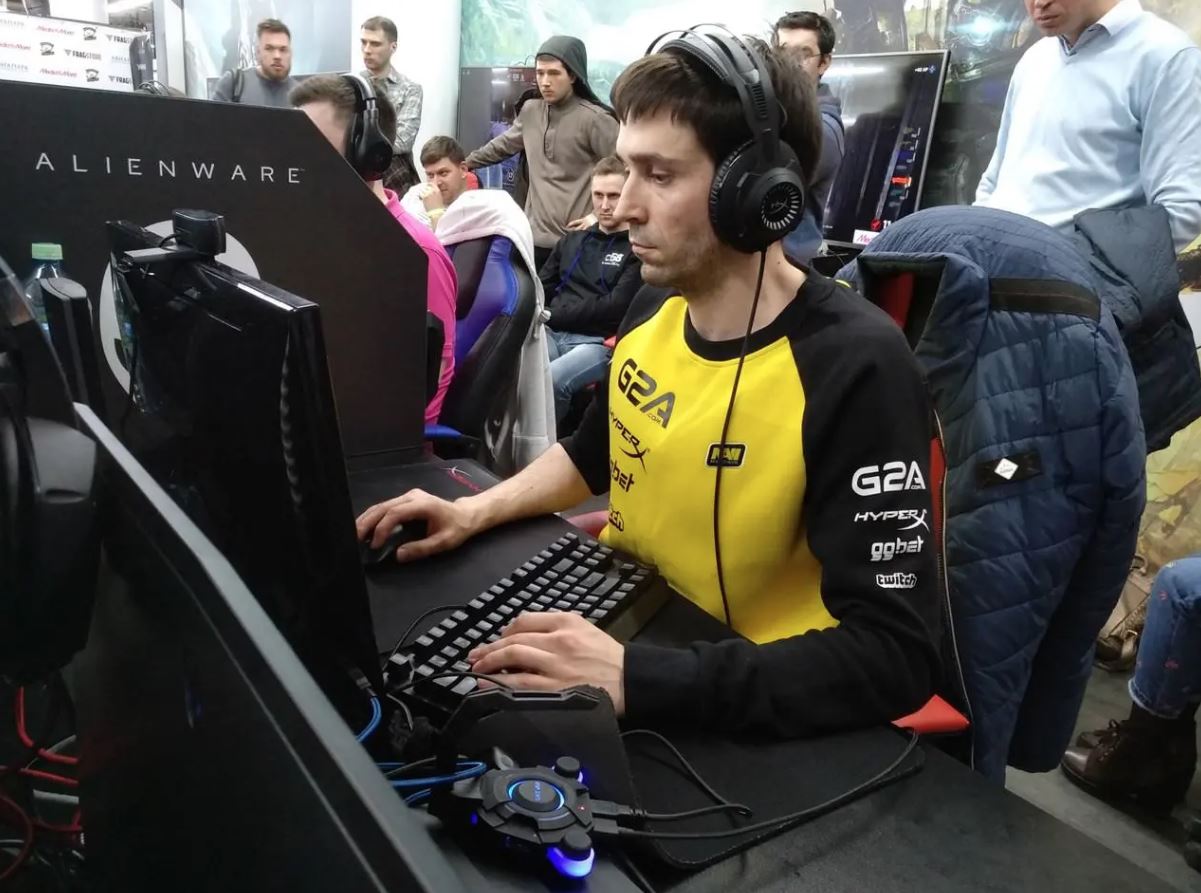
The Coaches and Analysts Shape the Competitive Edge, Drive Team Unity, and Turn Raw Talent into Championship-Winning Performance
The Hidden Backbone of Every Esports Team
When fans watch an intense esports final unfold, their attention gravitates toward the players. The star fragger, the calm strategist, or the clutch performer often take the spotlight as the embodiment of skill and composure. Yet, behind every triumphant team stands an unseen force: the coaches and analysts who turn raw potential into mastery. They are the architects of success, translating countless hours of gameplay into structure, discipline, and innovation. While their names may not appear on leaderboards, their influence resonates through every coordinated move, every counter-strategy, and every perfectly timed decision that defines victory.
In traditional sports, coaching has long been recognized as essential to development and performance. Esports followed a similar trajectory, but with a digital twist. Early teams operated without coaches, relying on self-organization and instinct. Over time, as competition deepened and financial stakes rose, the need for strategic leadership became undeniable. The modern esports coach is part tactician, part psychologist, and part mentor. Together with analysts, they form the unseen machinery that transforms a group of skilled individuals into a synchronized and resilient force capable of facing the world’s best.
The Role of the Esports Coach
Coaching in esports extends far beyond giving directions or managing scrimmages. A coach functions as a central pillar of structure and motivation. They create practice schedules, analyze opponents, and maintain team morale through the highs and lows of competitive seasons. More importantly, they guide players through the mental strain that accompanies the pressure of global stages. Whether managing the emotional turbulence of a losing streak or preparing the team for a championship match, the coach’s responsibility lies in balancing discipline with empathy.
Unlike in traditional sports, esports coaches face the unique challenge of working within constantly evolving game environments. A single patch update or balance change can alter strategies overnight, requiring coaches to stay ahead of the curve. They must understand mechanics, meta shifts, and the psychology of their opponents simultaneously. In this dynamic ecosystem, adaptability becomes a defining trait. Coaches act as navigators through chaos, ensuring their team remains prepared and confident regardless of the shifting landscape of competition. Their role is a blend of leadership and learning, a continuous process of adaptation that mirrors the ever-changing world of digital play.
The Analyst: Turning Data into Dominance
While coaches focus on communication, motivation, and in-game philosophy, analysts operate in the realm of data and precision. They are the detectives of esports, dissecting gameplay footage frame by frame to extract insights invisible to the casual eye. An analyst examines movement patterns, reaction times, strategy tendencies, and even player communication habits to identify opportunities for improvement. Every successful strategy executed in a tournament often originates from countless hours of analytical study performed by these unsung professionals.
Analysts also play a crucial role in counter-strategy development. By studying the tendencies of rival teams, they help design blueprints that exploit weaknesses and neutralize strengths. This meticulous preparation transforms competition into a calculated chess match where data replaces instinct as the foundation of decision-making. In some organizations, analysts even employ machine learning tools to model scenarios, predict play outcomes, and simulate match conditions. This fusion of human insight and technological innovation illustrates how esports continues to pioneer the integration of analytics into competitive strategy. The analyst is, in many ways, the scientist of esports, quiet, methodical, and indispensable.
Bridging the Gap Between Players and Strategy
Coaches and analysts operate in tandem, creating a feedback loop that fuels progress. The analyst identifies patterns and inefficiencies, while the coach interprets that information into actionable guidance. This partnership ensures that theory translates into execution. The process demands mutual respect and seamless communication. Coaches must trust the data, while analysts must understand the human side of performance. Together, they craft a language that players can absorb under pressure, transforming abstract insights into practical in-game behavior.
Team meetings often become laboratories of strategy and psychology. Analysts present findings through visual aids, heat maps, and statistical models. Coaches then adapt this knowledge to suit player personalities and playstyles. A strategy that works in data must feel intuitive in execution. The success of this translation determines whether preparation becomes performance. This delicate balance is what distinguishes great teams from good ones. The most successful organizations in esports understand that synergy between analytics and leadership forms the true foundation of consistent excellence.
The Psychological Dimension of Coaching
In a world where milliseconds decide outcomes, mental stability is as vital as mechanical skill. Esports athletes face immense cognitive and emotional stress. They compete under global scrutiny, often in isolation from traditional social environments. Coaches act as emotional anchors, ensuring that players remain grounded amid the pressure of fame and expectation. They facilitate open communication, resolve interpersonal conflicts, and provide reassurance during moments of doubt. The psychological care offered by a skilled coach can prevent burnout and maintain the longevity of a player’s career.
Many organizations now integrate sports psychologists and wellness experts into their coaching staff, reflecting a growing recognition of mental health as a competitive asset. Coaches encourage players to develop pre-game routines, breathing techniques, and focus exercises that strengthen concentration. They promote habits of balance, such as proper rest, nutrition, and mindfulness. These practices may seem minor, but in the heat of competition, they make the difference between panic and poise. Through empathy and structure, coaches turn emotion into energy and stress into strength, cultivating resilience that endures long after the final match ends.
Innovation in Training and Preparation
Coaches and analysts are constantly redefining how teams train. Gone are the days of repetitive scrimmages without structure. Modern preparation involves detailed simulation environments, mock tournaments, and scenario-based exercises. Analysts track data points such as reaction time, accuracy, and communication efficiency, providing measurable feedback on improvement. Coaches use this information to design training regimens that target specific weaknesses while reinforcing team strengths. Every drill has a purpose, every session a measurable outcome.
Technology further enhances this process. Video analysis software, real-time stat trackers, and communication tools allow teams to replicate competitive conditions with precision. Coaches employ these tools to refine coordination, timing, and adaptability. Some teams even use virtual reality systems to study map layouts and player positioning. This fusion of technology and strategy mirrors the evolution of esports itself, blending the art of play with the science of performance. The result is a training ecosystem that transforms potential into precision, ensuring that every second spent in practice contributes to mastery in competition.
The Relationship Between Player and Coach
At its core, coaching is about trust. The bond between a player and coach defines how effectively strategies translate into action. A successful coach understands the unique temperament of each player, tailoring communication to individual needs. Some players respond to strict discipline, while others thrive under encouragement and collaboration. The ability to balance authority with empathy separates great coaches from competent ones. Players who trust their coach are more likely to commit fully to strategy and persevere through adversity.
This trust extends beyond the game. Coaches often become mentors, guiding players through challenges both personal and professional. They teach accountability, teamwork, and leadership, qualities that extend far beyond esports. For younger players, especially those who enter professional environments early, a coach provides stability and wisdom. The relationship is not hierarchical but symbiotic. Coaches depend on players for feedback and honesty, while players rely on coaches for perspective and guidance. In that dynamic, growth becomes inevitable, and excellence becomes attainable.
Recognition and the Fight for Visibility
Despite their influence, coaches and analysts often remain in the background. Their contributions rarely appear in highlight reels or headlines. Yet, their fingerprints are visible on every strategic pivot, every innovative play, and every moment of composure under pressure. Slowly, the esports community is beginning to recognize their value. Organizations now feature coaching staff in content series, interviews, and documentaries. Fans are learning to appreciate the complexity of what happens behind the curtain. The narrative of esports is expanding beyond individual brilliance to include the collective intelligence that powers success.
Industry recognition is also growing through awards and certifications. Esports federations and associations are developing programs that standardize coaching education, ensuring that future leaders are equipped with both technical and interpersonal skills. Analysts, too, are gaining visibility as the field of esports analytics becomes a recognized discipline. Their work informs not only competition but also broadcast commentary, fan education, and content creation. The age of the unseen strategist is coming to an end, replaced by an era that celebrates the minds behind the mechanics.
The Future of Esports Leadership
As esports continues to mature, the role of coaches and analysts will only grow more sophisticated. The future promises deeper integration of data science, psychology, and education into team structures. Coaches may soon work alongside artificial intelligence systems that predict performance outcomes or assist in strategy development. Analysts may harness real-time data streams during matches, offering insights that influence decisions on the fly. The line between human intuition and technological precision will blur, creating a new model of leadership that blends insight with innovation.
Yet, at its core, the essence of coaching will remain unchanged. It will always revolve around understanding people, fostering teamwork, and inspiring belief. The analysts will continue to refine the art of information, translating complexity into clarity. Together, they will carry the unseen burden of excellence, ensuring that every victory in esports is not just the result of individual skill but the culmination of collective intelligence. In this world of pixels and precision, it is the unseen strategists who ensure that greatness is never accidental but always earned through vision, discipline, and heart.