
How Mental Mastery Defines Champions in the World of Esports
The Psychology, Focus, and Emotional Control That Shape the Greatest Players in Competitive Gaming
The Battle Before the Match Begins
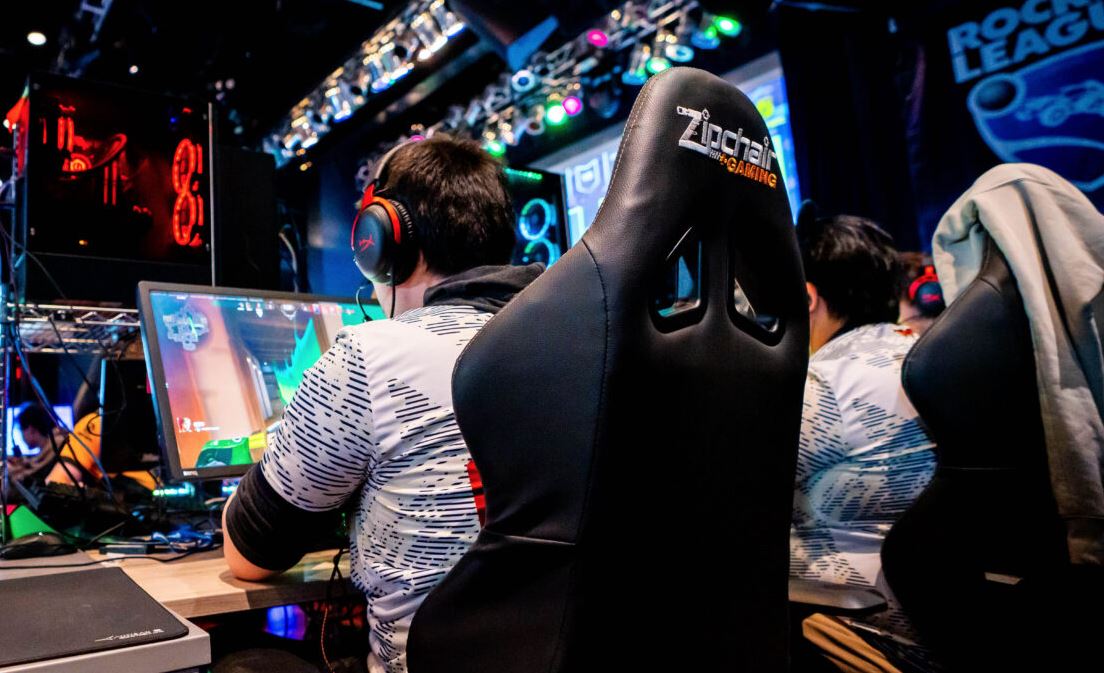
In every major esports arena, before the lights flash and the countdown starts, a different kind of battle takes place. It happens silently, inside the mind of every professional player. The audience sees reflexes, precision, and strategy unfold on-screen, but the true foundation of victory begins long before the first click. Esports, like traditional sports, demands more than mechanical skill. It demands emotional regulation, adaptability, and mental clarity under pressure. The difference between a good player and a champion often comes down to how well they control their thoughts when everything is on the line.
The mind of a professional gamer is a complex landscape of anticipation, reaction, and self-awareness. Every move must be calculated within fractions of a second, while the pressure of an audience, a team, and personal expectation all compete for mental space. The player’s goal is to stay in what psychologists call a flow state, a condition where focus and performance merge perfectly. Achieving this state is the holy grail of competitive gaming. It allows a player to react faster, think clearer, and maintain consistency even when fatigue or stress begin to take hold. The battle for control of the mind is ongoing, and it defines every moment of competition.
The Discipline of Focus and Flow
Maintaining focus in high-level gaming is not a natural gift, it is a trained ability. Professional players develop rituals that help them block out distraction and enter a state of deep concentration. For some, this means listening to specific music before a match. For others, it means repeating calming phrases or following breathing patterns that regulate heart rate and reduce tension. These habits are not superstition, they are tools for aligning mental rhythm with mechanical precision. When practiced consistently, they become second nature, guiding the mind toward performance instead of panic.
The flow state mentioned by athletes and gamers alike is a psychological phenomenon where effort feels effortless. In this state, the mind stops analyzing and starts reacting instinctively. The challenge is achieving it on demand. Pro gamers train their mental flexibility by practicing under simulated pressure, forcing themselves to perform while tired, distracted, or under artificial time limits. By doing so, they teach their brains to adapt to real-world tournament stress. The most successful players are not just reacting to the game, they are reading its tempo, predicting its flow, and adjusting themselves accordingly. Focus is not static, it is fluid, constantly shifting between micro-decisions and long-term strategy.
Emotional Control Under Pressure
Esports competition is filled with tension. One mistake can end a match, one lapse in judgment can cost a team a championship. In these moments, emotions rise fast and hard. Adrenaline surges, frustration builds, and the desire to correct an error can cloud rational thought. The best players understand that emotion, while powerful, must be managed. Emotional control is not suppression but transformation. Anger becomes focus, fear becomes awareness, and disappointment becomes learning. The ability to channel emotion productively is what separates those who collapse under pressure from those who rise through it.
Teams often employ sports psychologists who help players develop coping mechanisms for stress. These include visualization exercises, where players imagine success in vivid detail, or grounding techniques, where they center themselves in the present moment rather than dwelling on past mistakes. Professional gamers learn to detach from outcomes and focus solely on process. They understand that pressure is inevitable but suffering is optional. By mastering emotional control, they maintain consistency in chaotic environments. This consistency is the foundation upon which trust, teamwork, and championship-level performance are built.
The Importance of Mind-Body Balance
The stereotype of gamers as sedentary and unhealthy is long outdated. Modern professionals treat their bodies as extensions of their performance systems. Nutrition, sleep, and physical fitness directly affect cognitive sharpness and emotional stability. A tired mind makes slower decisions, and a neglected body cannot sustain the intensity of long tournaments. Many professional organizations now employ personal trainers, nutritionists, and wellness coaches to ensure that players maintain balance both inside and outside of competition. The idea is simple yet powerful, a healthy body sustains a powerful mind.
Even simple physical habits, like posture and breathing, influence performance. Sitting incorrectly can strain muscles and restrict circulation, which subtly affects reaction time and concentration. Regular exercise promotes oxygen flow, which directly supports brain function. Meditation, yoga, and mindfulness practices are now common parts of training routines for esports teams across the world. These disciplines enhance awareness, reduce anxiety, and improve the ability to reset after setbacks. A professional gamer’s toolkit is not limited to mouse and keyboard. It includes every element of human health that supports precision and clarity under stress.
Communication and Mental Synergy in Teams
In team-based esports, individual talent is only half the equation. The mental connection between teammates often determines success or failure. Communication in competitive gaming is a delicate balance between speed and clarity. Every callout, every piece of information, must be shared with precision and confidence. Too much communication clutters thought, too little leaves gaps that opponents exploit. Teams that win consistently develop what many describe as mental synergy, an almost instinctive understanding of each other’s timing, tone, and intentions.
Building this level of connection requires more than practice. It demands trust. Each player must believe that their teammates will perform their roles flawlessly, even when under extreme pressure. This trust is nurtured through repetition and shared adversity. When a team experiences loss, their ability to analyze mistakes objectively and rebuild cohesion is critical. Blame fractures teams, while shared accountability strengthens them. The best teams are not simply collections of skilled individuals. They are synchronized minds operating as one unified system, anticipating each other’s thoughts and adapting seamlessly to every challenge.
The Role of Mental Recovery and Reflection
After every competition, professional players face another essential stage of performance, recovery. Mental fatigue is as real as physical exhaustion, and without proper recovery, focus and motivation begin to decline. Recovery does not mean avoidance but reflection. Many pros review game footage, not only to analyze mistakes but to understand emotional responses. They learn how stress manifested in specific moments, how they reacted, and how they might handle similar situations differently next time. This cycle of observation and adjustment is the key to mental evolution.
Time away from the screen also plays an important role. Disconnecting from the constant noise of competition allows the mind to reset. Whether through time with family, outdoor activities, or simple rest, recovery fosters perspective. It reminds players that success in esports, as in life, is not a single event but a continuous journey. The mental game does not end with a trophy or a loss, it continues with every reflection, every reset, and every decision to return to the arena stronger than before.
The Inner Game That Defines Champions
Behind every flick shot, every perfectly timed combo, and every tactical decision lies the true arena of competition, the mind. The champions of esports are not only defined by their speed or accuracy but by their ability to control thought under chaos. They have learned that mastery is not about eliminating emotion or pressure but understanding them deeply. They transform stress into focus and defeat into wisdom. Every professional player, at every level, plays two games at once, one on-screen and one within themselves.
The unseen battle inside the mind is what gives esports its extraordinary depth and humanity. It reminds us that even in a digital age, the heart of competition remains timeless. The lessons of resilience, focus, and balance that define professional gamers extend far beyond the monitor. They apply to anyone striving for excellence in any field. The mental strategies that win championships are not secrets. They are reflections of human potential, discipline, and the enduring drive to be better tomorrow than we were today.