

How Nutrition and Physical Conditioning Shape the Future of Esports Excellence
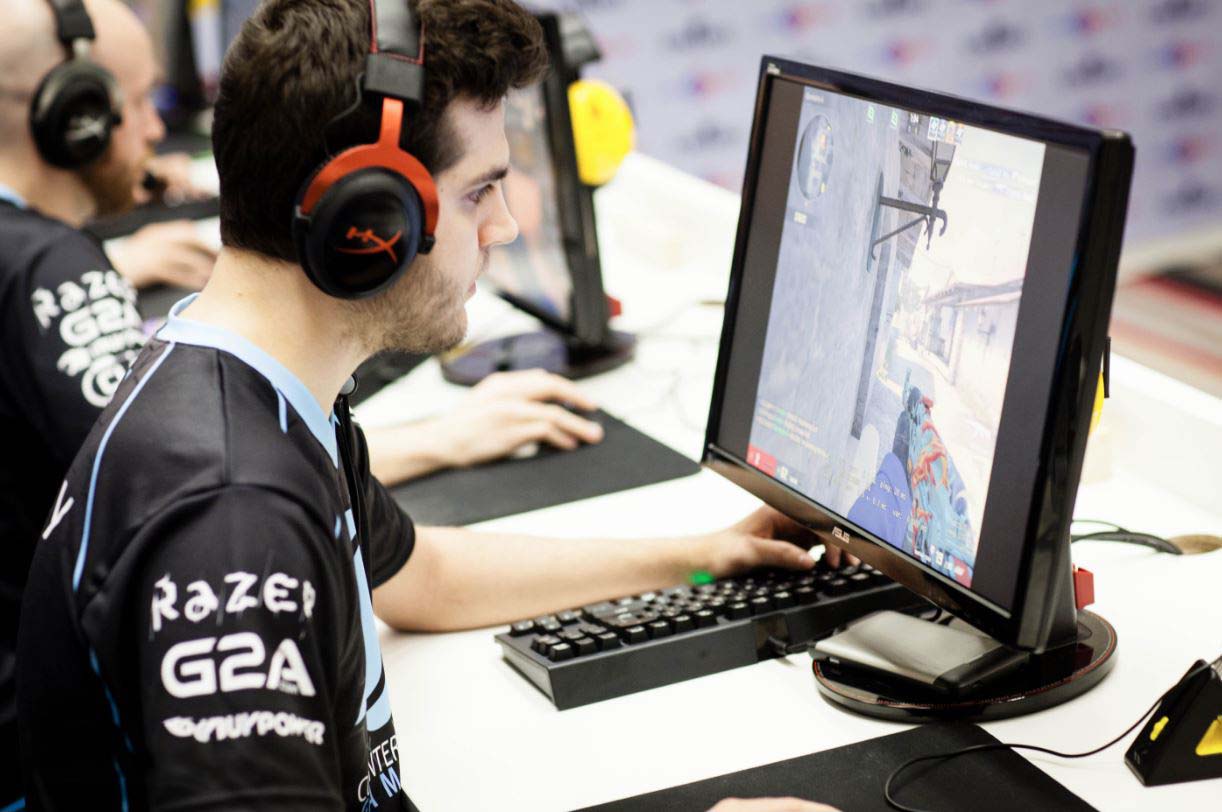
Examining the Overlooked Connection Between Physical Health, Cognitive Sharpness, and Competitive Consistency in Professional Gaming
The Transformation of Esports Athletes
In the early years of competitive gaming, the image of a professional player was defined by long nights, endless caffeine, and minimal movement. The focus rested entirely on in-game mechanics and strategic depth, with little regard for what happened outside the monitor’s glow. However, as esports matured into a billion-dollar global industry, the perception of what it means to be a gamer has evolved dramatically. Professional players are now treated as digital athletes, individuals who must maintain both mental and physical peak performance to compete at the highest levels. The body and mind, once considered separate from skill, are now recognized as integral components of victory.
Behind every click and calculated move lies a biological process that demands balance and care. Nutrition and physical conditioning have emerged as silent forces shaping reflexes, endurance, and focus. In games where a single decision can define an entire match, maintaining stable energy levels and sharp concentration becomes as crucial as mastering the meta. The professional scene now understands that reaction time, hand-eye coordination, and decision-making speed are all affected by what players eat, how they rest, and how they move. The human body is the first piece of hardware in esports, and like any system, it performs best when properly maintained.
The Science Behind Energy and Focus
Every professional gamer faces one relentless opponent: fatigue. The human brain consumes a significant amount of energy during intense play, often burning glucose at a rate similar to that of physical athletes in training. Long sessions, tournament stress, and constant screen exposure demand sustained mental alertness. This is where nutrition plays a defining role. Foods rich in complex carbohydrates, lean proteins, and healthy fats provide the steady energy supply needed for cognitive endurance. In contrast, processed snacks and sugary energy drinks create short bursts of alertness followed by crashes that impair decision-making and reaction speed.
Hydration is equally vital. Even slight dehydration can reduce focus and slow response time. Professional teams now track water intake with the same precision used for analyzing match statistics. Proper hydration maintains blood flow to the brain, supporting oxygen delivery and neural communication. Vitamins such as B12, magnesium, and omega-3 fatty acids further enhance memory, concentration, and overall brain health. In essence, nutrition transforms from a personal choice into a competitive strategy. A properly fueled mind can sustain hours of flawless execution, while poor diet choices can sabotage performance long before fatigue is noticed.
Physical Conditioning and Its Cognitive Impact
Physical fitness may seem secondary in a digital sport, yet its impact on performance is undeniable. Regular exercise increases blood circulation, delivering oxygen and nutrients more efficiently throughout the body and brain. This improved circulation sharpens mental acuity, enhances stamina, and reduces the sluggishness that can creep in during long sessions. Cardiovascular activities such as jogging, cycling, or swimming help regulate heart rate and energy levels, while strength training stabilizes posture and reduces the strain of extended sitting. Many esports professionals now incorporate daily workouts into their routines not for appearance, but for sustained concentration and resilience.
Beyond the physical benefits, exercise plays a crucial role in mental stability. It releases endorphins that reduce stress and anxiety, common challenges for players constantly performing under public scrutiny. Stretching, yoga, and mobility routines are particularly beneficial, preventing repetitive strain injuries like carpal tunnel syndrome that threaten a player’s career. Physical conditioning, when viewed holistically, does not simply keep the body fit. It fine-tunes the connection between the mind and reflexes, allowing gamers to remain calm, accurate, and adaptive under pressure. A healthy body ensures that every command delivered through the keyboard or controller translates seamlessly from thought to action.
Structured Routines and Lifestyle Optimization
Professional gamers, like traditional athletes, depend on consistency. Structured daily routines create stability in a career filled with unpredictable schedules and high-stakes competition. Teams often employ nutritionists, physical trainers, and performance coaches to design personalized schedules for their players. These routines balance practice sessions, meals, workouts, and rest, ensuring that no aspect of performance is left to chance. A well-planned day might include a balanced breakfast rich in protein and fiber, a series of scrimmages, physical training, and designated breaks to prevent burnout.
Sleep remains one of the most underestimated factors in esports success. Reaction time, memory, and emotional control all deteriorate when sleep is sacrificed. Studies show that even moderate sleep deprivation can reduce performance as significantly as alcohol consumption. For this reason, professional organizations enforce strict sleep policies, encouraging players to maintain consistent sleep schedules that align with their tournament hours. Proper rest consolidates learning, improves reflexes, and enhances adaptability during live matches. Nutrition, fitness, and recovery operate as a cycle, each influencing the other to create a foundation of sustainable excellence.
Breaking Stereotypes and Redefining the Gamer Lifestyle
For decades, gaming culture has been associated with unhealthy habits. The stereotype of energy drinks, fast food, and sedentary lifestyles dominated the public perception of gamers. Today’s esports professionals are breaking that image. They embrace a lifestyle that blends the discipline of athletes with the creativity of strategists. This shift has not only improved performance but also influenced how aspiring players approach the industry. Young competitors entering the scene now see health as an essential part of their training. Professional teams promote awareness campaigns that educate fans about balance, encouraging communities to treat gaming as a sport that values wellness and longevity.
The transformation of the gamer lifestyle reflects the growing professionalism of the industry itself. Organizations invest in wellness programs, meditation spaces, and ergonomic setups to protect players from the physical and psychological toll of competition. The message is clear: longevity in esports depends on more than just skill. It depends on maintaining a body and mind capable of enduring the pressures of a demanding and rapidly evolving career. As the line between digital and physical performance continues to blur, health becomes the ultimate performance enhancer.
The Role of Technology and Data in Health Optimization
Advancements in technology have given rise to data-driven approaches to player health and performance. Wearable devices now track heart rate, sleep quality, and reaction time, allowing teams to monitor how physical factors correlate with gameplay outcomes. Nutrition apps calculate caloric intake and nutrient balance, ensuring that players receive the exact fuel they need. Some teams even employ biometric feedback systems that detect early signs of stress or fatigue, allowing coaches to intervene before performance declines. The integration of technology into wellness has turned health into a measurable, strategic component of esports success.
This data-driven approach mirrors the analytical nature of gaming itself. Just as teams study opponents’ gameplay to find weaknesses, they now analyze their own biological patterns to gain an edge. The fusion of health science and digital competition represents the future of esports. Players no longer rely solely on intuition or talent. They operate with precision, using both physiological and tactical knowledge to optimize every aspect of their performance. The new generation of competitors understands that the body and the game are not separate. They are parts of the same system, each influencing the other in pursuit of perfection.
Mindfulness and Mental Nutrition
Physical health provides the foundation, but mental balance completes the structure. Esports professionals face unique psychological challenges, from high expectations to public scrutiny and constant travel. Mindfulness practices such as meditation, controlled breathing, and focus training have become integral tools for maintaining emotional stability. These techniques train players to manage nerves, enhance concentration, and recover quickly from setbacks. Just as physical nutrition fuels the body, mental nutrition fuels the mind, ensuring that focus and motivation remain consistent throughout the season.
Many organizations now employ sports psychologists who help players handle pressure and prevent burnout. They teach resilience, goal-setting, and perspective management, reminding competitors that growth takes time and patience. The inclusion of mindfulness in esports has redefined what it means to be mentally strong. It is not about suppressing emotion but about understanding and controlling it. When combined with proper nutrition and fitness, mental discipline creates an unshakable foundation for success. A player who can think clearly, stay calm, and act decisively under stress holds a distinct advantage over one who lets fatigue or frustration dictate performance.
The Future of Holistic Esports Performance
As esports continues to evolve, the integration of nutrition, fitness, and mental well-being will become inseparable from competitive success. The future of professional gaming will not be defined solely by mechanics or strategy but by balance. Teams that invest in the complete health of their players will not only see improved results but also create sustainable careers for their athletes. The emphasis on holistic performance marks a turning point in how the world views gamers. They are not just players behind screens. They are digital athletes, combining discipline, intellect, and wellness in pursuit of mastery.
In this new era, victory is not achieved through exhaustion but through equilibrium. The professional gamer of tomorrow will understand that every meal, every workout, and every breath contributes to performance just as much as every practice match. The fusion of body and mind, powered by knowledge and self-care, will define the next generation of champions. Esports has transcended entertainment. It has become a testament to how the human spirit can thrive in both the digital and physical worlds, proving that true strength lies not only in reaction speed but in the harmony of health and skill.