

How Streaming Transformed Competitive Gaming into a Global Spectacle
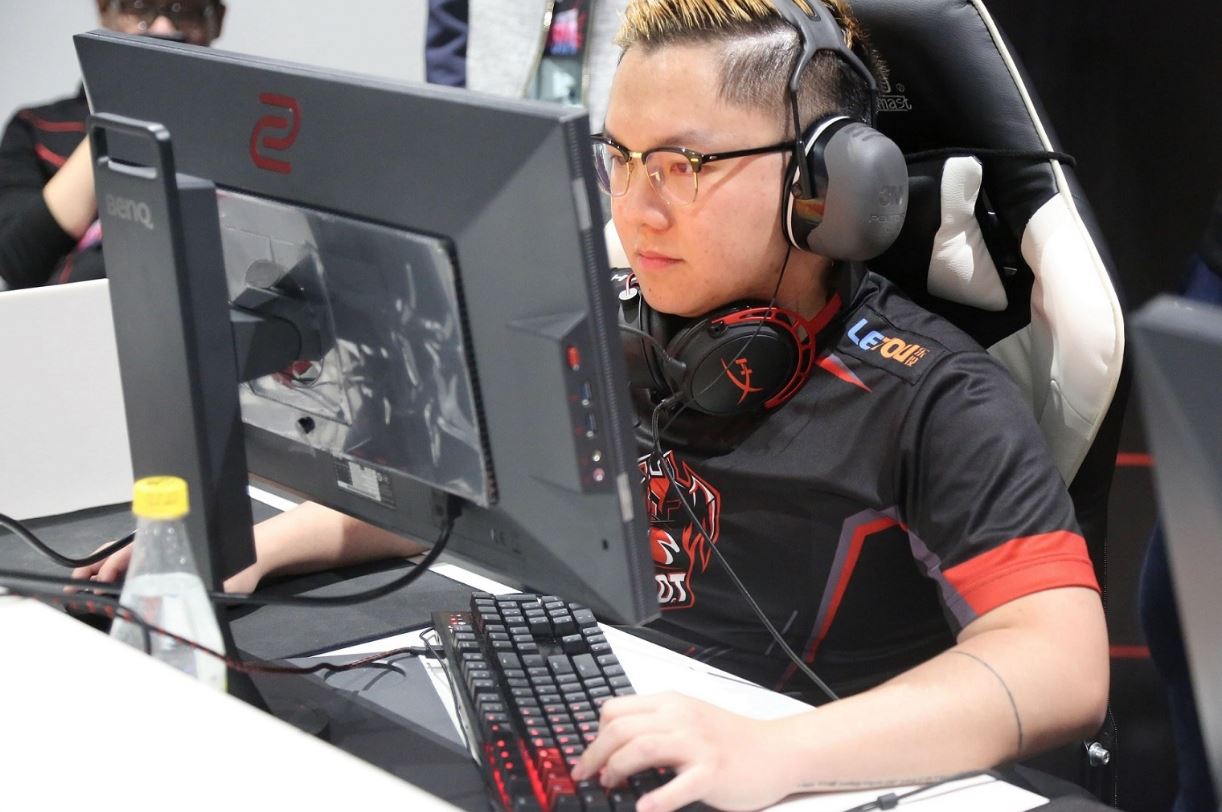
Unveiling How Twitch Bridged the Gap Between Players and Audiences, Turning Esports into an Interactive Cultural Phenomenon
The Birth of a New Digital Stage
Before streaming platforms became household names, competitive gaming existed in small, isolated pockets of the internet. Matches were uploaded after the fact, often in low resolution, with limited commentary and little fanfare. Players who achieved greatness did so within niche communities, celebrated only by a handful of devoted followers. Then came Twitch, a platform that changed not just how people watched games, but how games were played, shared, and celebrated. What began as a spin-off of a general live-streaming site quickly evolved into the beating heart of esports, turning gaming from private passion into a public performance.
Twitch offered something revolutionary: immediacy. Viewers could watch tournaments live, share reactions in real time, and connect directly with players. It replaced passive consumption with active participation, creating an experience that blended competition, entertainment, and community. For the first time, fans could not only witness greatness but interact with it. Chat rooms became virtual stadiums filled with emotion, humor, and camaraderie. Streamers became celebrities, and tournaments became global events. The digital curtain had been lifted, revealing a new world where gaming was not just played but performed.
Redefining the Audience Experience
One of the most transformative aspects of Twitch was how it changed the role of the audience. In traditional sports, fans cheer from the stands or the couch, distant from the action. On Twitch, they became part of the story. Real-time chat allowed viewers to share emotions, analyze plays, and even influence how streamers interacted with the game. This interactivity blurred the line between spectator and participant. Viewers were no longer anonymous faces in a crowd. They were contributors to the atmosphere of competition.
The introduction of features like subscriptions, bits, and emotes deepened this relationship. Fans could support their favorite players financially, express identity through community emotes, and earn recognition from their idols. The platform cultivated loyalty not through passive fandom but through shared experience. Watching became as engaging as playing. Tournaments streamed live on Twitch began attracting millions, rivaling television viewership for major sporting events. The connection between player and audience had evolved into something far more intimate and dynamic, setting a new standard for digital entertainment.
Empowering Players and Teams
For professional gamers, Twitch was a lifeline. Before the streaming era, most players depended solely on tournament winnings or sponsorships, both of which were unpredictable and unstable. Streaming changed that equation. It allowed players to build personal brands, reach global audiences, and generate consistent income through subscriptions and donations. Players who once competed for recognition could now sustain careers by sharing their daily practice sessions, insights, and personalities with fans. The result was a more sustainable and independent ecosystem, where players controlled their own visibility and growth.
Teams also adapted to this new reality. Organizations began recruiting not just for skill but for presence. A player who could engage an audience between tournaments became more valuable to sponsors and fans alike. Streaming gave esports teams the tools to showcase their culture and connect directly with supporters. Behind-the-scenes streams, scrim sessions, and team Q&A events humanized players who once seemed distant. This transparency built trust and excitement, making professional gaming more accessible and relatable. In a sense, Twitch turned esports athletes into storytellers, and every stream became a chapter in their evolving journey.
The Economics of the Streaming Era
Beyond entertainment, Twitch revolutionized the financial model of esports. The platform transformed competitive gaming into an industry where digital engagement held tangible value. Sponsorships expanded beyond traditional advertisements, evolving into interactive campaigns. Brands began integrating themselves directly into streams, from custom overlays to chat commands and live giveaways. Viewership metrics became a new form of currency, allowing organizations to measure fan engagement with precision. Every click, comment, and emoji contributed to a growing economy fueled by attention.
Tournaments streamed on Twitch also benefited from this new financial ecosystem. Instead of relying solely on ticket sales or broadcasting deals, organizers could monetize through ads, subscriptions, and community-driven support. Crowdfunding initiatives like subscriber milestones and donation goals allowed fans to directly impact prize pools and event production quality. This democratization of funding redefined how esports events were built and sustained. What once required corporate backing could now thrive through collective enthusiasm. The streaming revolution had not only amplified viewership but empowered communities to become investors in the games they loved.
Cultural Influence and the Rise of Digital Celebrities
The rise of Twitch did more than elevate esports. It reshaped global culture. Streamers became new-age entertainers whose influence extended far beyond gaming. Their charisma, humor, and authenticity attracted audiences who might never have watched competitive gaming otherwise. A single stream could spark trends, launch careers, or define the popularity of entire games. The platform became a space where entertainment, creativity, and competition converged, blending elements of sports commentary, talk shows, and live performance into something entirely new.
This cultural shift also gave rise to communities with shared values and identities. Fans gathered not only around games but around personalities and causes. Charity streams, collaborative events, and marathon tournaments demonstrated the power of collective goodwill. Esports was no longer confined to arenas or digital leaderboards. It became a social force that connected millions across borders and backgrounds. Through Twitch, professional gaming transcended its competitive roots and became a medium for storytelling, creativity, and connection on a global scale.
Building Global Access and Diversity
Perhaps one of Twitch’s greatest achievements is how it democratized access to esports. In the past, regional restrictions and limited broadcasting meant that fans in smaller markets were often excluded from major events. Streaming erased those barriers. Anyone with an internet connection could tune in, learn, and engage, regardless of geography. This accessibility accelerated the growth of esports worldwide, inspiring new players and audiences from regions previously untouched by the competitive gaming scene.
Diversity also flourished. Streamers of different backgrounds, genders, and nationalities found platforms to express their perspectives and talents. This inclusion expanded the cultural richness of esports, introducing new voices and playing styles. International tournaments benefited from this global energy, creating fanbases that spanned continents. By removing physical and economic obstacles, Twitch empowered gaming to become a universal language, one that spoke to passion, creativity, and the shared joy of competition.
The Evolution of Esports Broadcasting
Traditional sports broadcasting followed a linear format: commentators analyzed plays, cameras followed athletes, and audiences watched passively. Twitch shattered this model. It turned every viewer into a potential broadcaster. Fans could co-stream official tournaments, adding their own commentary, humor, or perspective. This participatory model encouraged creativity and community collaboration. Esports events became layered experiences, viewed not only through official channels but through countless personalized lenses. Each stream added new energy, new interpretation, and new emotion to the spectacle.
This evolution also challenged traditional media industries. Television networks began to adopt streaming strategies, while esports organizations experimented with hybrid formats that combined live audiences with digital interactivity. The result was a broadcasting revolution that blurred the lines between production and participation. Twitch’s real-time engagement tools—polls, predictions, and chat integration—turned tournaments into interactive events that rewarded audience involvement. The relationship between fans and competition had been rewritten, and the future of sports entertainment would never be the same.
The Challenges of Growth and Sustainability
As Twitch became the cornerstone of esports broadcasting, it also faced growing pains. The sheer scale of its success brought challenges in moderation, copyright management, and burnout among creators. Streamers found themselves balancing the demands of constant engagement with the pressures of performance. Audiences, while passionate, could also be demanding, expecting entertainment at all hours. Maintaining mental health, privacy, and longevity became central issues within the streaming world. Esports organizations responded by developing support structures, including wellness programs, content breaks, and mental health initiatives to protect their talent.
Another challenge lay in balancing authenticity with commercialization. As corporate sponsorship grew, some feared that the organic, community-driven spirit of early streaming might be lost. Yet, innovation continued to flourish. Independent creators and grassroots tournaments persisted alongside major productions, ensuring that Twitch retained its original diversity. The key to sustainability lies in balance, preserving creativity while embracing progress. In that balance, the spirit of competition remains alive and vibrant, continuously adapting to the shifting landscape of digital media.
The Legacy of the Streaming Revolution
Twitch did not merely change how games were watched. It redefined how the world experiences competition, creativity, and connection. It gave players a voice, audiences a seat on the digital front row, and esports a platform to thrive. What once existed in the shadows of niche communities now commands the attention of millions. The synergy between streaming and professional gaming has created an ecosystem that celebrates both the intensity of competition and the authenticity of human connection.
The revolution Twitch sparked continues to evolve, pushing boundaries with each new generation of streamers, viewers, and innovators. Esports is no longer confined to screens or arenas. It lives in the hearts of those who share every victory, every loss, and every moment of brilliance in real time. Through streaming, gaming has become not just a pastime but a shared performance of global proportions, a reflection of how technology can unite people through play, passion, and the endless pursuit of excellence.