

The Rise of Women Who Are Redefining the Esports Frontier
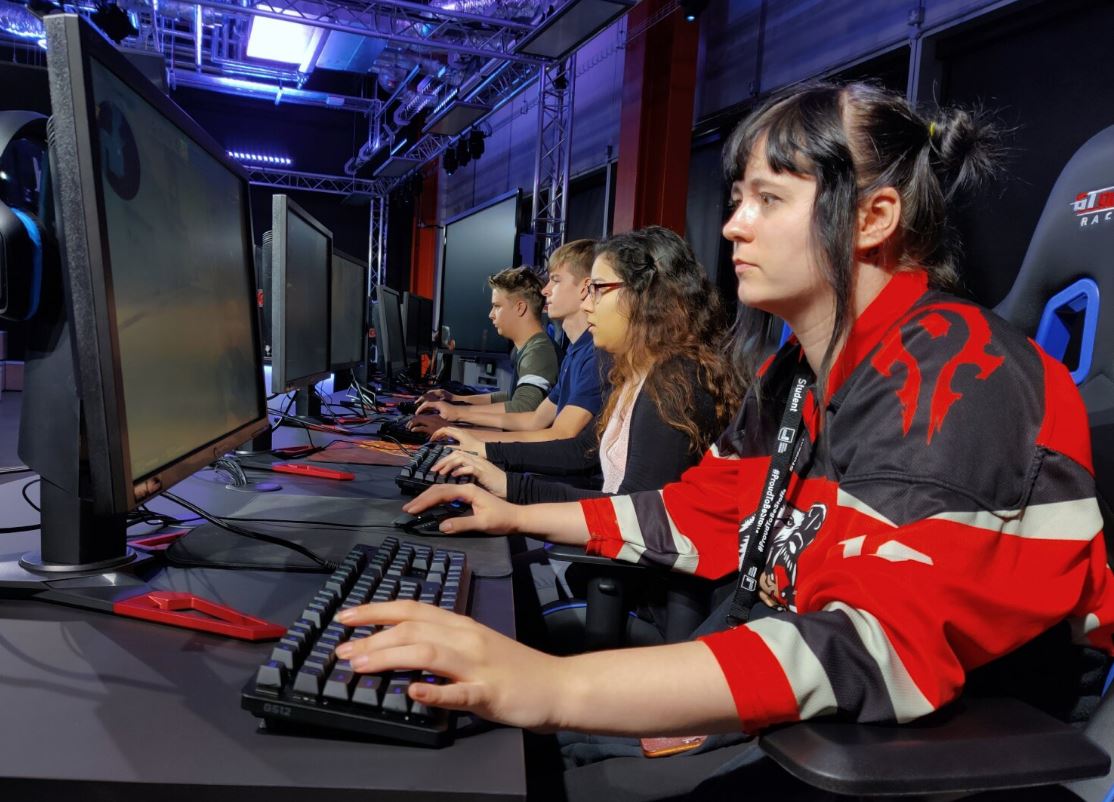
The Female Gamers, Leaders, and Creators Are Reshaping the Future of Competitive Gaming and Inspiring a New Era of Inclusion
The Evolution of Women in Competitive Gaming
For decades, gaming culture has been shaped by creativity, competition, and community. Yet for much of its history, it was also shaped by exclusion. Women who wanted to compete or create within gaming often faced barriers that went beyond skill or ambition. From online harassment to systemic bias, the path to recognition was far steeper for them than for their male counterparts. However, in the modern era of esports, that story is changing. Women across the world are entering professional gaming, coaching, and broadcasting with a determination that is transforming the landscape of competitive play.
The rise of women in esports is not just a symbolic achievement. It represents the breaking of long-standing social and structural boundaries. Female players are no longer content to be spectators or casual participants. They are competing in international tournaments, leading teams, and influencing industry direction through entrepreneurship and advocacy. The presence of women at the highest levels of gaming redefines what success looks like and who it belongs to. This transformation is not sudden, but the result of years of perseverance, talent, and collective courage that continues to reshape the identity of esports itself.
Early Pioneers Who Opened the Door
Every movement has its pioneers, and women in esports are no exception. Long before esports became a billion-dollar industry, trailblazers were setting examples in competitive gaming communities. Players like Sasha "Scarlett" Hostyn in StarCraft II, Katherine "Mystik" Gunn in Dead or Alive, and Stephanie "missharvey" Harvey in Counter-Strike built legacies that proved skill and strategy transcend gender. These women faced the dual challenge of competing at elite levels while representing an underrepresented group. Their victories were not just personal triumphs but milestones that opened doors for future generations.
Their influence went beyond performance. They became role models who showed that talent, preparation, and intelligence were the only qualifications that mattered. Their success began to challenge stereotypes about what female gamers could achieve. They built loyal fanbases, inspired mentorship programs, and pushed organizations to take diversity seriously. The foundation they laid became the cornerstone for an era where equality in esports would no longer be a dream but an expectation. Through their resilience, they proved that representation is not just about visibility, but about empowerment.
The Barriers That Persist
Despite progress, women in esports continue to face challenges that reveal how much work remains. One of the most persistent barriers is the toxic behavior that can emerge in competitive environments. Online harassment, gender bias, and unequal treatment are still prevalent in some corners of the gaming world. Female players often report being underestimated or targeted simply for their gender. This hostile atmosphere can discourage participation, particularly among younger women who are just entering the scene. It also highlights the need for cultural reform within gaming communities.
Structural challenges further compound the issue. Many esports organizations remain male-dominated, with limited female representation in leadership roles. Prize pools and sponsorship opportunities also tend to favor male-majority teams, perpetuating financial inequality. Media coverage often reinforces these gaps by focusing disproportionately on male players and teams. To overcome these barriers, both grassroots and institutional efforts are essential. Initiatives that promote inclusivity, education, and mentorship have already begun to make a difference, but the fight for equality in esports requires ongoing commitment and collaboration from all sectors of the industry.
The Role of All-Women Leagues and Initiatives
One of the most effective responses to inequality in esports has been the creation of all-women leagues and organizations. Events like the Valorant Game Changers Series, the Intel Challenge Katowice, and DreamHack Showdown have provided platforms where female talent can shine without the burden of discrimination. These leagues offer competitive environments where women can refine their skills, gain recognition, and build confidence that translates into success in mixed tournaments. They serve not as segregation but as empowerment, nurturing growth and visibility that the broader industry cannot ignore.
Alongside these leagues, mentorship programs and nonprofits are fostering change from within. Organizations such as Women in Games International, AnyKey, and The*GameHers focus on advocacy, education, and community building. They help bridge gaps by connecting aspiring players with mentors, providing career development resources, and pushing for gender equality across all facets of esports. These initiatives not only create opportunities for competition but also for leadership. As more women rise through the ranks as coaches, commentators, and executives, they bring perspectives that enrich the entire esports ecosystem.
Representation Beyond the Stage
While players often receive the most visibility, women are also reshaping esports behind the scenes. From production studios to marketing departments, they are contributing to the strategic and creative forces that define the industry. Women serve as analysts, developers, event organizers, and business executives, ensuring that diversity is reflected at every level of operation. Their presence in leadership roles has begun to shift the priorities of organizations, fostering cultures of inclusion and accountability. These changes influence not only workplace dynamics but also the narratives that reach global audiences.
Representation in media and streaming has also played a powerful role. Female content creators and streamers have used platforms like Twitch and YouTube to amplify their voices, share their experiences, and build supportive communities. By normalizing women as authoritative voices in gaming, these creators dismantle outdated perceptions. Their influence extends beyond entertainment, shaping public discourse around inclusivity and equity. In many ways, streaming has become a modern form of activism, one that merges personal passion with cultural impact. The visibility of women in all these spaces ensures that their contributions are not an exception, but an integral part of esports identity.
Changing the Industry from Within
The transformation of esports culture is not only happening on the stage or screen. It is taking place in boardrooms, design studios, and academic institutions. Esports organizations are beginning to adopt policies that address diversity and equality more intentionally. Recruitment practices are evolving to ensure that hiring and sponsorship decisions are merit-based and inclusive. Educational programs focused on esports management and development are introducing modules on ethics, representation, and leadership, ensuring that the next generation of professionals enters the industry with awareness and empathy.
Moreover, corporate sponsors are recognizing the importance of supporting inclusivity. Brands now seek partnerships that align with social responsibility, understanding that representation benefits both reputation and reach. By investing in diverse talent and inclusive events, they reinforce the message that esports belongs to everyone. This shift in corporate attitude reflects a broader trend within society, where audiences demand fairness and authenticity. The momentum toward equality in esports is no longer a niche movement. It is a defining characteristic of its global evolution.
The Impact of Role Models and Mentorship
One of the most profound ways to inspire change is through mentorship. Female leaders in esports understand the importance of guiding those who follow in their footsteps. Mentorship creates a support network that counteracts isolation, builds confidence, and accelerates skill development. Programs that connect professional players and coaches with younger women have already shown significant results. They not only provide practical advice but also emotional resilience, demonstrating that success in esports is possible regardless of gender.
Role models play an equally vital role. When young women see others succeeding in positions of power, they begin to imagine themselves there too. Visibility fuels ambition, and ambition drives progress. Whether it is a professional player winning a championship, a commentator delivering expert analysis, or a CEO leading an organization, these images create powerful psychological shifts. They replace doubt with determination and fear with focus. As more women achieve success across all levels of esports, they become living proof that the industry’s future is not defined by barriers, but by boundless potential.
Shifting the Narrative Through Education
True equality in esports will not come solely from policy changes or representation. It will emerge from education. Schools, universities, and training academies that offer esports programs are in a unique position to influence culture from the ground up. By teaching inclusivity as part of competitive ethics, institutions can foster generations of players who understand respect as integral to teamwork. Workshops, panels, and awareness campaigns also play a critical role in challenging stereotypes and promoting respectful engagement within gaming communities.
Parents and educators are beginning to recognize the value of esports as a legitimate career path, which further supports inclusivity. Encouraging young women to pursue gaming not only as players but also as developers, strategists, and storytellers creates a balanced ecosystem. Education ensures that opportunities in esports are accessible and understood by all. When learning environments celebrate diversity, the professional sphere naturally follows suit. Through knowledge and awareness, the cycle of exclusion begins to break, replaced by a culture of collaboration and mutual respect.
The Future of Equality and Empowerment
The future of women in esports is not defined by barriers, but by possibility. As the industry continues to expand, inclusivity will become one of its most powerful strengths. The next generation of female players, coaches, and creators will not need to fight for visibility—they will inherit a world that recognizes their worth from the start. This progress will not erase the struggles of the past, but it will honor them by ensuring that no one has to endure them again.
Equality in esports is not a favor. It is a necessity for growth, innovation, and authenticity. The presence of women brings balance to competition and depth to storytelling. Their achievements prove that excellence knows no gender, and their perseverance ensures that gaming evolves not just as an industry, but as a reflection of humanity’s capacity for fairness and creativity. The story of women in esports is still being written, and its chapters are filled with courage, intelligence, and unity. Together, these trailblazers are not just breaking barriers. They are building legends that will inspire generations to come.