

The Future of Esports Education: Universities and Gaming Scholarships
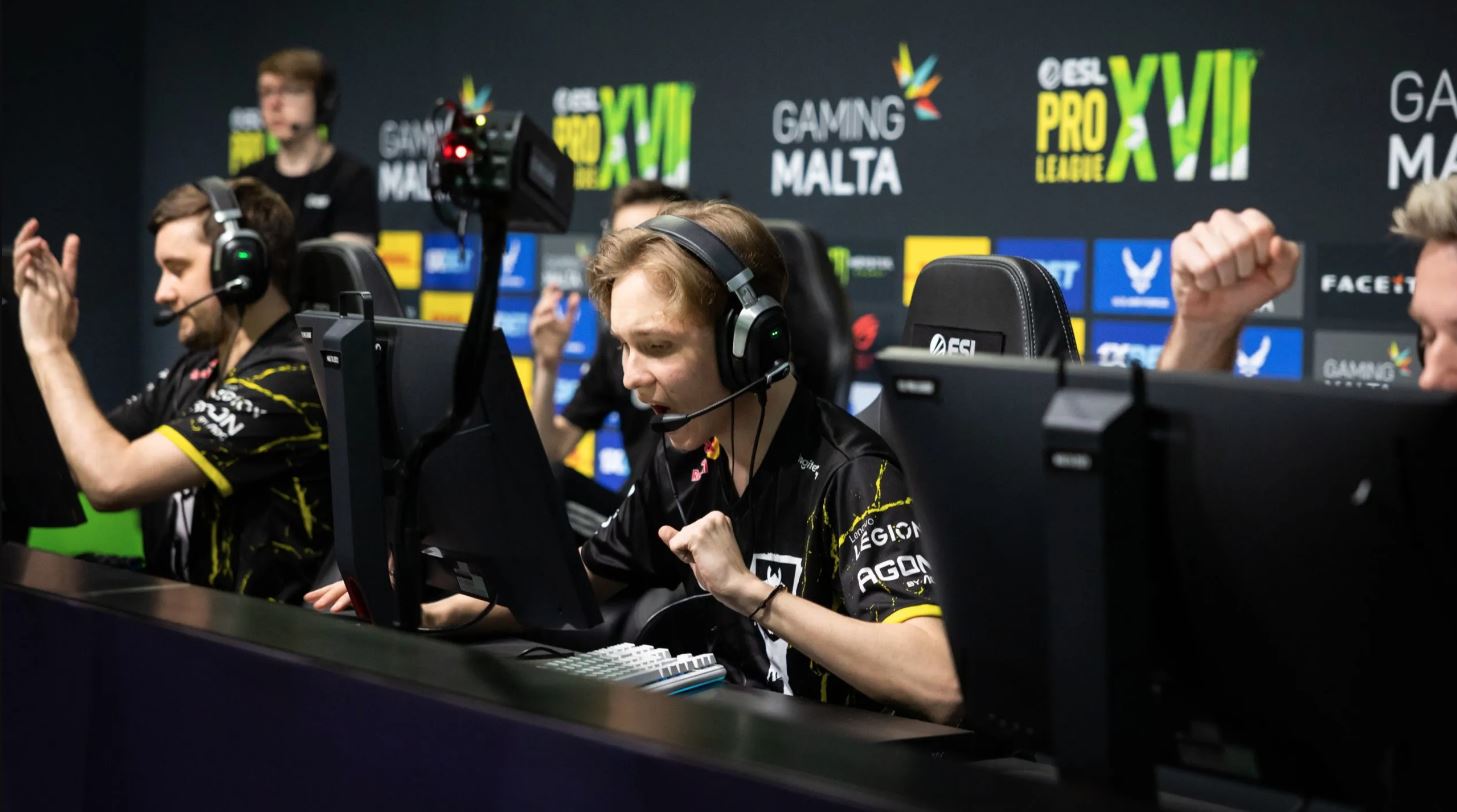
The Sponsorships, Crowdfunding, and Digital Economies Fuel the Massive Rewards That Drive Global Competitive Gaming
The Evolution of Prize Pools in Competitive Gaming
In the early years of esports, competitive gaming existed as a community-driven pursuit with modest financial rewards. Small local tournaments offered simple prizes like gaming peripherals or modest cash amounts. The motivation was pure competition and prestige rather than wealth. However, as global audiences grew and online streaming reshaped the entertainment landscape, esports prize pools began to expand dramatically. What was once a niche hobby turned into a billion-dollar industry capable of producing life-changing earnings for top players. Today, esports prize pools rival and in some cases surpass those of traditional sports events, illustrating how deeply the digital economy has integrated into entertainment culture.
The transformation from grassroots competitions to multimillion-dollar spectacles did not occur overnight. It evolved through a blend of technological innovation, market expansion, and community engagement. As global interest in esports surged, corporate sponsors, game publishers, and fan communities began contributing directly to the financial infrastructure. This collaboration created a sustainable ecosystem that continues to redefine the value of digital competition. Prize pools are now more than simple rewards, they represent the collective investment of fans, brands, and developers in the future of gaming as a professional discipline.
The Role of Game Publishers in Funding Prize Pools
At the core of most major esports tournaments are the game publishers themselves. Companies such as Valve, Riot Games, and Blizzard play an instrumental role in establishing and funding prize pools. Their involvement is not simply an act of generosity but a strategic investment in brand growth and long-term engagement. By financing or facilitating major competitions, publishers keep their games relevant, competitive, and culturally significant. In essence, these events serve as powerful marketing vehicles that sustain player interest and expand global reach.
Some publishers fully fund their tournaments, guaranteeing large base prizes to attract professional teams and sponsors. Others, like Valve, use hybrid models that blend base funding with community-driven contributions. Valve’s approach, exemplified by The International for Dota 2, has become a case study in how digital economies can enhance participation. Through the sale of in-game items like the Battle Pass, a percentage of revenue is funneled directly into the prize pool. This not only boosts total rewards but also fosters a sense of ownership among fans who directly contribute to the success of the event. The publisher’s ability to merge commerce with competition has reshaped the financial landscape of esports entirely.
Crowdfunding and the Power of the Player Community
Crowdfunding has emerged as one of the most revolutionary funding models in esports. By involving fans directly in prize pool generation, tournaments create deeper emotional and financial connections between audiences and competitions. Platforms such as Steam and digital storefronts linked to popular games have enabled players to purchase exclusive cosmetics, badges, and other digital rewards. A portion of these proceeds contributes directly to the event’s prize fund. This approach not only incentivizes participation but also transforms spectators into stakeholders in the sport’s growth.
The results of this model are staggering. The International 2019 for Dota 2 reached a record-breaking prize pool of over 34 million dollars, primarily funded by players worldwide. This model has since influenced other games such as Fortnite, Rainbow Six Siege, and PUBG. The principle is simple yet effective, when fans see their financial contributions translate into higher stakes for players, they become more invested emotionally in the outcome. Crowdfunding turns what might otherwise be a detached viewership into a collaborative celebration of success. It embodies the democratic spirit of esports, where fans and competitors share a mutual commitment to the growth of the game they love.
Corporate Sponsorships and Brand Partnerships
While publishers and players lay the foundation for prize funding, corporate sponsors provide the financial muscle that propels esports to mainstream prominence. Global brands have recognized the value of associating with gaming’s youthful and tech-savvy demographic. Companies like Intel, Coca-Cola, and Red Bull have invested millions into esports tournaments, often tying their products directly into the culture of gaming. These partnerships can take many forms, from naming rights and event sponsorships to product integrations and exclusive promotions. Sponsors benefit from massive exposure across live events, streaming platforms, and social media, while esports organizations gain the funding necessary to sustain large-scale prize pools and professional infrastructures.
The relationship between brands and esports is symbiotic. Sponsors gain access to a passionate, global audience that traditional sports marketing often struggles to reach. In return, tournaments receive the resources to enhance production quality, expand prize money, and support player development programs. The growing sophistication of brand partnerships has also elevated professionalism across the industry. Contracts now include detailed metrics for digital engagement, viewer retention, and brand perception, reflecting how esports has matured into a data-driven business ecosystem. Sponsorships are not just funding mechanisms, they are strategic alliances that shape the very identity of competitive gaming.
Franchise Leagues and Revenue Distribution Models
The rise of franchised esports leagues has introduced a new layer of financial stability to competitive gaming. Much like traditional sports leagues, franchises such as the Overwatch League and Call of Duty League operate on structured revenue-sharing models. Teams pay buy-in fees to join the league, and in return, they receive a share of revenue generated through sponsorships, media rights, and merchandise sales. This system ensures a consistent flow of funds that supports both operations and prize pools. It also encourages long-term investment, as teams and sponsors can plan strategically around predictable financial frameworks.
Unlike single-event tournaments, franchise leagues create sustainable ecosystems where money circulates continuously rather than seasonally. The central organizations overseeing these leagues manage broadcast deals, ticketing, and brand partnerships, redistributing profits among participating teams. This model has helped professionalize the financial side of esports, turning teams into viable business entities rather than temporary organizations. Players benefit as well, as guaranteed salaries and contractual stability accompany prize-based earnings. The emergence of franchised competition represents a milestone in esports’ transition from ad-hoc events to enduring global institutions.
The Influence of Streaming Platforms on Prize Funding
Streaming platforms such as Twitch, YouTube Gaming, and Kick have become vital components in the funding and monetization of esports. These platforms not only provide the medium for broadcasting but also generate significant revenue through advertising, sponsorship deals, and viewer engagement. Tournament organizers often sign exclusive streaming contracts that guarantee financial backing in exchange for broadcasting rights. This model mirrors the television deals that sustain traditional sports leagues, ensuring consistent funding for event production and prize distribution.
Additionally, streaming platforms enable direct fan-to-player financial interactions through donations, subscriptions, and digital currency systems like Twitch Bits or YouTube Super Chats. These features add another layer of community-driven support to esports economics. The more engaged the audience, the greater the potential for financial growth. Streaming platforms are also experimenting with integrated advertising and interactive features that turn viewership into an active experience. As technology evolves, these partnerships will continue to reshape how revenue flows into the esports ecosystem, merging entertainment, commerce, and community engagement into a single dynamic channel.
The Economics of Ticket Sales, Merchandising, and Live Events
While digital engagement drives much of esports revenue, physical events still play a crucial role in prize pool funding. Major tournaments attract tens of thousands of live attendees, generating significant income from ticket sales, merchandise, and concessions. Venues such as the Staples Center, Madison Square Garden, and the Bird’s Nest in Beijing have hosted esports finals that rival concerts and sporting events in attendance. The economic impact extends beyond the arena, boosting local tourism and hospitality industries wherever these tournaments are held.
Merchandising represents another key revenue stream. Jerseys, collectibles, and branded gear not only strengthen fan loyalty but also provide funding for teams and event organizers. Exclusive merchandise drops timed with major tournaments can generate millions in revenue. Some organizations even integrate augmented reality or blockchain-based verification into their merchandise, adding collectible and digital value. The physical and digital economies complement each other, creating a comprehensive ecosystem where every transaction, whether a ticket purchase or a digital skin sale, contributes to the financial backbone of prize pools.
Government and Institutional Investment in Esports
As esports gains cultural and economic recognition, governments and institutions are beginning to invest directly in the industry. Several countries have established esports federations, training facilities, and funding programs to support local players and events. These initiatives are driven by the understanding that esports generates not only entertainment value but also economic growth through job creation and tourism. In regions like South Korea and China, state-backed support has helped transform esports into a mainstream profession, complete with educational pathways and financial incentives for top performers.
Institutional sponsorship also extends to academia. Universities across the world now offer scholarships for esports athletes, while research institutions study data analytics, psychology, and media dynamics related to gaming. This formalization attracts corporate partners and government grants that trickle down into tournament infrastructure and prize pools. As esports continues to mature, public and private investment will increasingly merge, creating a global network of financial collaboration. The result is a more stable and respected industry where prize money represents not just entertainment but an engine of innovation and opportunity.
The Economic Ripple Effect of Large Prize Pools
Large prize pools have a far-reaching impact that extends beyond the players who win them. They elevate the prestige of tournaments, attract higher viewership, and create a feedback loop of growth across the industry. When prize pools increase, so do media rights, sponsorship value, and player salaries. This trickle-down effect stimulates the entire esports economy, encouraging new organizations, training academies, and content creators to enter the ecosystem. For cities that host major tournaments, the benefits include tourism revenue, brand exposure, and infrastructural investment.
However, the rapid escalation of prize pools also brings challenges. Inflation in rewards can distort the market, creating disparities between top-tier and grassroots competitions. To maintain balance, sustainable funding models must ensure that prize growth aligns with revenue stability. Long-term planning, transparency, and diversified funding sources are essential to prevent economic volatility. When managed responsibly, large prize pools serve as symbols of esports’ global success, representing not just wealth but the collective ambition of a digital generation that values both competition and community.
The Future of Esports Economics and Prize Funding
The future of esports prize pools lies in innovation and inclusivity. As blockchain technology, non-fungible tokens, and decentralized finance enter the conversation, new possibilities emerge for transparent and community-driven funding. Smart contracts could automate prize distribution, ensuring fairness and reducing administrative overhead. Meanwhile, fan tokens and digital assets could allow audiences to invest directly in their favorite teams or tournaments, blurring the line between spectatorship and participation. These developments will reshape how value is created and shared within the ecosystem.
Ultimately, the economics of prize pools reflect the broader evolution of esports as a global industry. What began as isolated competitions now stands as a testament to digital collaboration, creativity, and entrepreneurship. The financial engines that power esports are not just about rewarding skill but about sustaining an ecosystem that thrives on connection. Whether funded by fans, sponsors, or innovators, every dollar in a prize pool tells a story of collective passion for the games that unite millions across the world. The next era of esports will not simply be defined by who wins the largest prizes but by how the world continues to invest in the spirit of play itself.