

The Meteoric Rise of Competitive Mobile Gaming
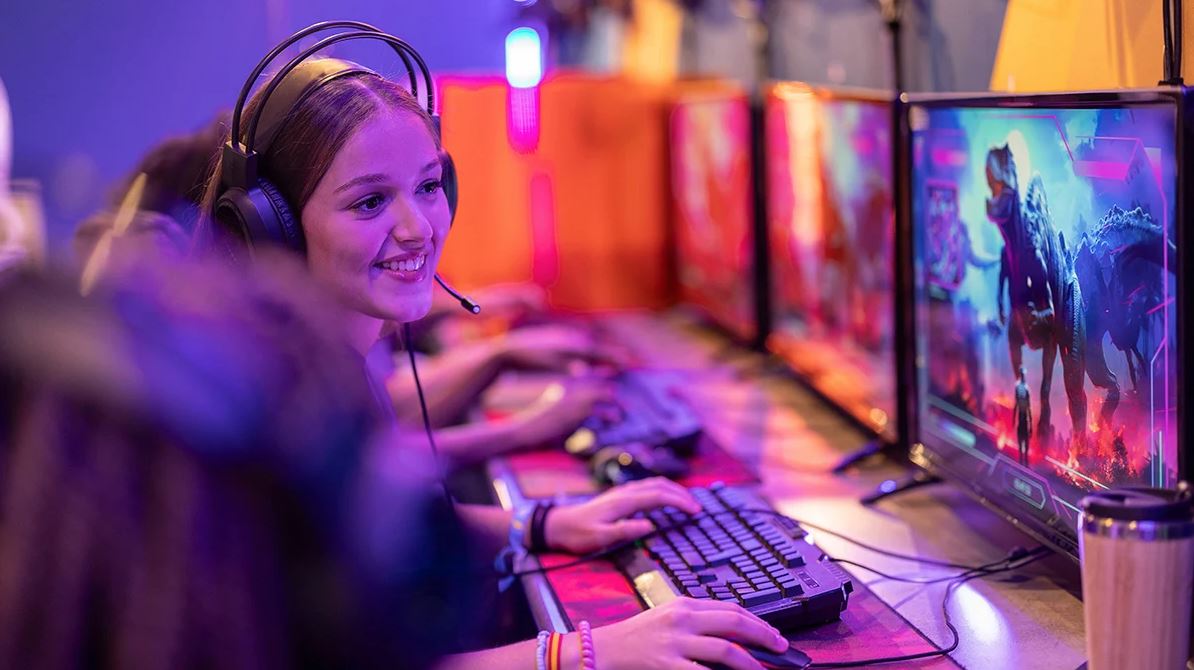
Tracing How Mobile Esports Evolved from Casual Play to a Global Economic Powerhouse Redefining the Competitive Gaming Industry
The Origins of a Movement Once Underestimated
There was a time when mobile games were viewed merely as distractions, simple entertainment for commuters and casual players. Titles like Angry Birds and Candy Crush dominated the early landscape, offering short bursts of engagement rather than deep competitive experiences. Yet beneath this surface simplicity, a revolution was quietly forming. As smartphones became more powerful and accessible, developers saw an opportunity to merge mobility with competition. What began as a curiosity turned into one of the fastest-growing sectors in modern gaming, with mobile esports transforming into a global phenomenon that rivals traditional PC and console gaming in both audience size and revenue.
The first signs of mobile esports emerged in Southeast Asia, India, and Latin America, regions where high-end gaming PCs and consoles were less accessible due to cost. Mobile devices became the great equalizer, allowing millions to compete without the need for expensive hardware. The democratization of gaming was underway. Tournaments for titles like Clash Royale, PUBG Mobile, and Mobile Legends began attracting massive online audiences, proving that skill and strategy could thrive on any platform. Within a few short years, what was once a casual pastime had evolved into a billion-dollar competitive ecosystem with professional leagues, sponsorships, and global recognition.
The Technological Leap That Made It Possible
The foundation of mobile esports’ success rests upon advancements in smartphone technology. Early mobile games were limited by weak processors, poor connectivity, and small screens. Today, flagship devices rival dedicated gaming hardware in both performance and graphics. Processors optimized for gaming, high-refresh-rate displays, and low-latency touch response have turned smartphones into portable arenas. The widespread adoption of 4G and the rollout of 5G networks further transformed the experience, reducing lag and enabling real-time multiplayer competition across continents.
These technological breakthroughs not only enhanced performance but also accessibility. Unlike traditional esports, which require significant infrastructure and investment, mobile esports can flourish with minimal setup. All a player needs is a smartphone, a stable internet connection, and determination. Cloud gaming and optimized game engines have further bridged performance gaps, ensuring smooth play even on mid-range devices. This inclusivity has attracted a massive and diverse player base, enabling the growth of grassroots tournaments alongside elite global championships.
Developers Who Shaped the Mobile Esports Landscape
Behind every successful esports title lies a developer committed to competitive balance, community engagement, and long-term vision. Companies like Tencent, Supercell, and Moonton have played pivotal roles in shaping the mobile esports industry. Tencent’s investment in titles such as PUBG Mobile and Honor of Kings (known internationally as Arena of Valor) revolutionized the perception of mobile competition. These games combined strategic depth with accessibility, appealing to both professional players and casual audiences.
Supercell took a different approach, focusing on simplicity and precision with Clash Royale. Its real-time strategy mechanics and short match durations made it ideal for mobile devices, while still offering the tactical complexity required for professional competition. Meanwhile, Moonton’s Mobile Legends became a cultural phenomenon in Southeast Asia, inspiring stadium-level events and professional leagues supported by governments and sponsors. These developers did more than create games, they built ecosystems. Their commitment to fair play, spectator-friendly formats, and regional accessibility turned mobile esports into a sustainable global movement.
Economic Expansion and the Globalization of Mobile Esports
The financial impact of mobile esports cannot be overstated. According to industry analysts, the mobile gaming sector has surpassed both PC and console gaming in global revenue, driven largely by esports engagement. Prize pools, sponsorships, and advertising partnerships have grown exponentially, turning competitive gaming into a legitimate career for thousands of players worldwide. Regions like Southeast Asia, India, Brazil, and the Middle East have become major hubs for mobile tournaments, supported by local governments recognizing esports as an emerging economic opportunity.
Franchised leagues such as the PUBG Mobile Global Championship and the Mobile Legends Professional League now mirror the structure of traditional sports organizations. They feature regulated seasons, professional teams, and multimillion-dollar investments. Streaming platforms like YouTube Gaming and TikTok Live have further fueled growth, providing accessible broadcasting for audiences everywhere. This economic expansion has also spurred industries in peripheral sectors such as mobile accessories, gaming chairs, and merchandise. The mobile esports boom has created an entire ecosystem where technology, entertainment, and commerce converge.
The Cultural Impact: Redefining What It Means to Be a Gamer
Mobile esports has not only changed the economics of gaming but also redefined its culture. In many parts of the world, especially in emerging markets, mobile gaming is not an alternative, it is the primary form of gaming. This accessibility has broadened the demographic spectrum of players, including younger audiences, women, and individuals from communities previously excluded by high hardware costs. As a result, mobile esports represents a new form of digital inclusivity, where anyone can aspire to compete professionally regardless of background or geography.
The social aspect of mobile gaming has also strengthened communities. Players connect through social media, fan clubs, and local tournaments, forming networks that transcend borders. Major mobile esports events now command millions of viewers, generating the same level of passion and national pride as traditional sports. The rise of mobile gaming influencers and professional streamers has blurred the lines between entertainment and competition. In this way, mobile esports has become a social movement as much as a digital one, influencing lifestyles, fashion, and online identity across generations.
Regional Powerhouses: The Rise of Southeast Asia and Beyond
While mobile esports has achieved global success, certain regions have emerged as undeniable powerhouses. Southeast Asia stands at the forefront of this revolution. Countries like Indonesia, the Philippines, and Malaysia host some of the world’s largest mobile tournaments, supported by passionate fan bases and strong infrastructure. Local governments have even begun recognizing esports athletes as professionals, offering visas, sponsorships, and incentives similar to those in traditional sports. This recognition has legitimized esports as a viable career path for young players.
India and Latin America have followed similar trajectories, driven by the availability of affordable smartphones and competitive internet pricing. India’s Free Fire and PUBG Mobile circuits, for instance, attract millions of participants annually, generating record-breaking viewership on streaming platforms. Meanwhile, regions such as the Middle East are rapidly investing in esports facilities and training academies, signaling a global shift in gaming dominance away from Western markets. Mobile esports is not just spreading geographically, it is reshaping the global hierarchy of gaming excellence.
Corporate Investments and Sponsorships Fueling Growth
Corporate partnerships have become the lifeblood of mobile esports. Telecommunications companies, smartphone manufacturers, and energy drink brands have recognized the marketing potential of this young, tech-savvy audience. Sponsorships now extend beyond banners and logos to include collaborative events, branded content, and exclusive in-game items. Companies like Red Bull, Samsung, and Oppo have invested heavily in tournaments and teams, aligning their brands with the excitement and innovation of mobile competition.
These investments go hand in hand with media rights and broadcasting deals. Major events are now streamed in multiple languages, attracting advertisers who see esports as a gateway to younger demographics. The result is a sustainable revenue model where developers, sponsors, and players all benefit. As esports continues to integrate into mainstream entertainment, the synergy between corporate interest and competitive integrity becomes critical. Transparency and regulation will determine whether the mobile esports industry maintains its credibility while continuing its meteoric ascent.
Challenges and the Road Ahead
Despite its success, mobile esports faces several ongoing challenges. Device fragmentation, varying network quality, and performance disparities can create inconsistencies between players. Additionally, the prevalence of cheating software and account boosting threatens fair competition, especially in open online tournaments. Developers are investing heavily in anti-cheat systems and player verification methods to maintain trust within the community. Maintaining integrity is essential if mobile esports is to achieve the same respectability as established esports disciplines.
Another challenge lies in professional stability. While some players achieve fame and financial success, many struggle with short career spans, limited health resources, and burnout. Unlike traditional sports, where support systems are well-established, mobile esports is still developing structures for long-term athlete welfare. The future will require collaboration between developers, organizations, and governments to ensure sustainability. Education and legal frameworks must evolve alongside the industry to protect players and preserve the integrity of competition.
The Future of Mobile Esports: A New Era of Global Competition
The future of mobile esports is as vast as the technology that powers it. With the continued expansion of 5G networks, advancements in virtual and augmented reality, and the integration of artificial intelligence, the boundaries of what mobile gaming can achieve are constantly expanding. The next generation of mobile titles will not only push graphical fidelity but also innovate in accessibility and community engagement. Developers are already exploring cross-platform integration, allowing mobile players to compete seamlessly with PC and console users in unified ecosystems.
Ultimately, mobile esports represents more than a technological trend, it symbolizes the democratization of competitive gaming. It has proven that skill, strategy, and dedication can emerge from anywhere, no longer confined to expensive setups or elite institutions. The journey from pocket devices to professional arenas marks a defining chapter in the evolution of esports. As the world continues to connect through screens, mobile gaming stands as a testament to innovation, inclusivity, and the unstoppable spirit of competition that drives the modern digital generation.