

How Gaming Turned Rivalry into a Global Celebration of Skill
The Evolution, Passion, and Precision That Fuel Modern Gaming Tournaments
The Origins of a Digital Revolution
Every modern gaming tournament, from small local events to international championships, owes its existence to the first sparks of competition that began decades ago. In the early 1980s, players gathered in arcades to prove who could achieve the highest score in games like Space Invaders and Pac-Man. Those moments were humble and simple, yet they carried the same thrill that now fills arenas packed with fans and flashing lights. The competitive spirit was already there, long before online servers and professional teams existed. What started as casual contests between friends quickly transformed into an organized, passionate pursuit of mastery.
As technology evolved, so did the arena of competition. The arrival of local area networks in the 1990s gave birth to a new era of multiplayer gaming, where the best players could face each other in real time. Titles such as Quake, Counter-Strike, and Warcraft III established the foundation for modern esports, creating communities built on skill, dedication, and innovation. These were not just games anymore, they became platforms for performance and creativity, where the smallest decision could determine victory or defeat. The seeds of a global phenomenon had been planted, and their roots spread quickly across continents and cultures.
From Local Arenas to Global Stages
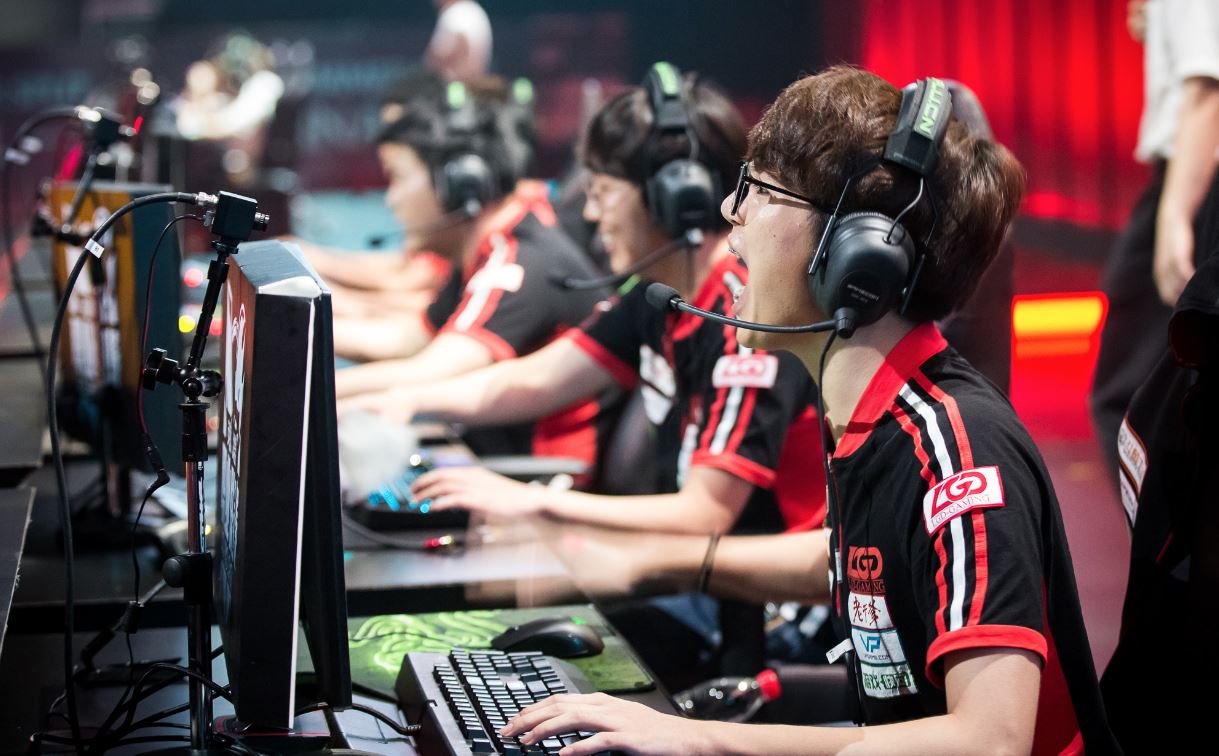
As gaming competitions grew, so did their scale and significance. What once took place in dimly lit basements now unfolds under spotlights and broadcast cameras. Stadiums filled with roaring crowds celebrate victories that unfold entirely within digital worlds. The transformation is astonishing, yet it reflects humanity’s timeless attraction to competition and excellence. Gaming, once confined to screens, has become a shared experience that brings together players and spectators in equal measure. Tournaments such as The International, the League of Legends World Championship, and EVO have become spectacles that rival traditional sports in passion, drama, and production quality.
Behind every competition lies a complex ecosystem of organizers, sponsors, broadcasters, and fans who make it possible. The logistics of hosting a major gaming event rival those of large sporting tournaments. There are months of preparation, technology tests, and coordination between teams spread across the globe. Broadcast crews work tirelessly to deliver every play and reaction to millions of viewers. Commentators analyze strategies, while fans engage in real-time discussions online. Each event becomes more than a game, it becomes a story unfolding in real time, connecting people who might never share a common language but understand the universal thrill of competition.
The Anatomy of a Champion
To the untrained eye, gaming competitions may appear as simple battles of reflexes. In reality, they are intricate displays of strategy, teamwork, and mental endurance. A professional gamer’s journey to the top mirrors that of any elite athlete. Hours of practice, consistent performance under pressure, and the ability to adapt to rapidly changing environments define success. Every match tests not only skill but also focus and resilience. Fatigue, stress, and crowd energy all play silent roles in determining outcomes, and only those who can master their emotions as well as their mechanics rise to victory.
In team-based games, coordination becomes the defining factor. Communication must be precise, and trust between teammates absolute. Each role within the team carries unique weight, and a single misstep can shift the entire balance of a match. The harmony between players, often built through months of shared effort and understanding, transforms separate individuals into one cohesive unit. In solo competitions, the challenge is different but no less demanding. Here, isolation sharpens concentration, and every decision becomes a reflection of the player’s preparation and instinct. The champions of gaming are not accidental winners but deliberate masters of both mind and machine.
The Culture and Community That Sustain the Scene
Gaming competitions have become cultural hubs, blending sport, entertainment, and community. They thrive on energy, diversity, and collaboration. Fans do not simply watch, they participate. They follow teams, create content, discuss strategies, and celebrate the personalities that define their favorite games. Online platforms allow for constant interaction between players and audiences, breaking down barriers that once separated professionals from fans. Esports is more than just performance, it is participation in a shared culture that grows stronger with every event.
Within this culture lies a deep sense of identity and belonging. Communities form around specific games, creating traditions, rivalries, and narratives that stretch across years. The stories of great comebacks, unexpected upsets, and iconic plays live on in forums, highlight reels, and fan art. The connection between player and fan is intimate and interactive, unlike any other form of entertainment. The excitement is not limited to watching a match, it extends into creativity, discussion, and collaboration. Gaming competitions do not end with the final score, they continue to inspire long after the final match concludes.
The Technology Driving Competitive Gaming
Every frame, every click, and every millisecond counts in gaming competitions. The hardware and software that support these moments are as vital as the players themselves. High-refresh-rate monitors, mechanical keyboards, precision mice, and optimized network systems have become essential tools for competitors. Beyond physical equipment, advanced analytics, artificial intelligence, and real-time data tracking now play key roles in preparation and strategy. Teams study heat maps, timing patterns, and statistical trends to refine their gameplay and counter opponents with surgical precision.
Even spectators benefit from technological innovation. Modern broadcasts feature augmented reality replays, multi-angle camera systems, and real-time overlays that display complex data in accessible ways. The fusion of technology and storytelling transforms each competition into an immersive experience. Viewers can feel the tension of a clutch play or the heartbreak of a narrow loss as vividly as those sitting in the arena. Gaming technology not only enables competition but elevates it into a global art form where precision meets performance and data becomes drama.
The Future of Gaming Competitions
The horizon of competitive gaming continues to expand at an astonishing pace. New genres, new audiences, and new forms of interactivity are reshaping what tournaments can be. Virtual reality and augmented reality promise to blur the boundaries between digital and physical competition, allowing players to step directly into their arenas. Cloud gaming is making participation more accessible than ever, eliminating the barriers of hardware and distance. Artificial intelligence will soon become not only a training tool but an opponent and analyst capable of redefining preparation itself.
Esports is also pushing into education, with universities creating programs that teach game design, strategy, and event management. The next generation of competitors, commentators, and creators will emerge from classrooms that treat gaming as both a discipline and a career. As traditional sports organizations invest in gaming, and as more countries recognize esports as legitimate competition, the line between the virtual and the athletic will continue to blur. What remains constant is the essence of competition, the shared thrill of testing limits, and the collective heartbeat that rises with every match.
The Unbreakable Spirit of Play
At its core, every gaming competition celebrates something profoundly human, the desire to strive, to connect, and to overcome. Whether it happens in a packed stadium, a glowing screen, or a quiet home tournament, the energy remains the same. It is the pulse of ambition and joy that unites people across backgrounds and continents. Gaming has proven that competition is not limited to fields or courts. It can thrive wherever imagination and skill collide. The spirit of play continues to evolve, but its heartbeat remains eternal, a rhythm that drives every victory, every defeat, and every dream that unfolds within the digital arena.