

Inside the Complex Network That Shapes Esports Careers
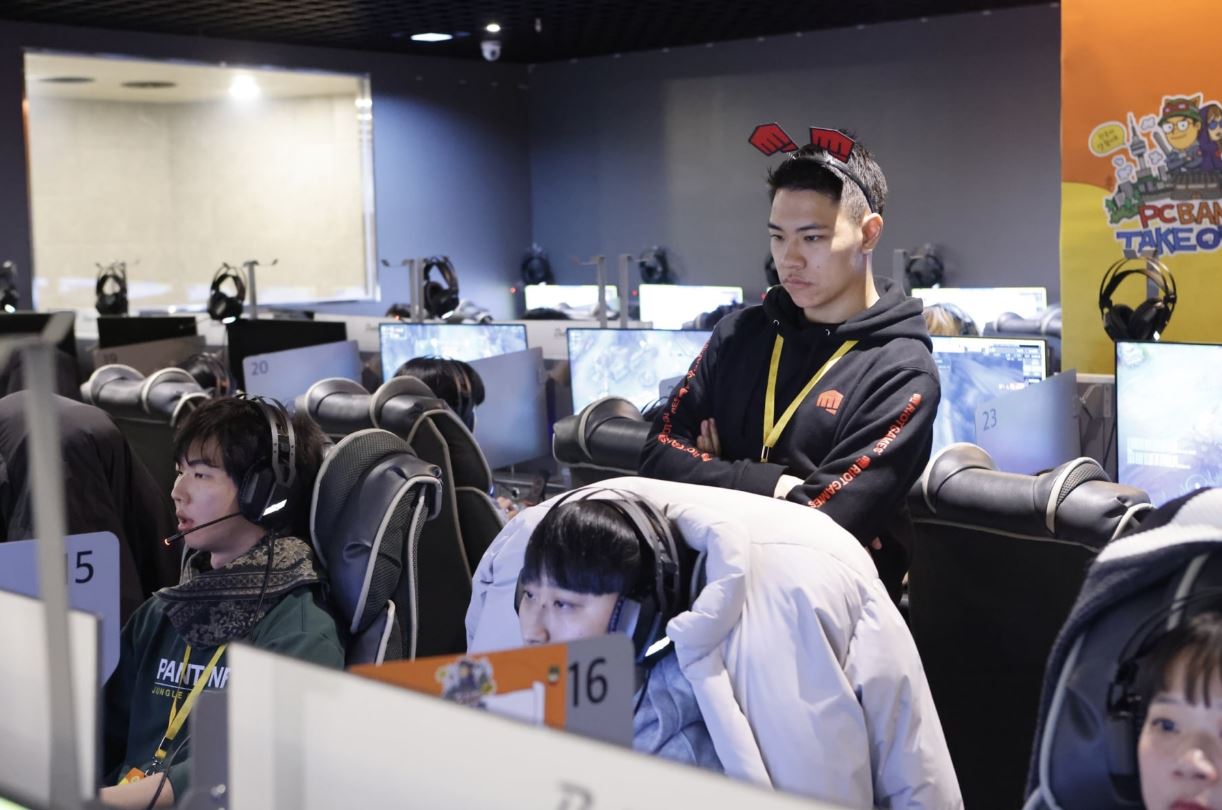
Managers, Agents, and Organizations Build the Framework of Professional Gaming and Protect the Future of Its Players
The Unseen Backbone of Competitive Gaming
While millions of fans tune in to watch tournaments and celebrate their favorite teams, few stop to consider the intricate web of professionals working behind the scenes. Esports is more than a display of skill and digital precision. It is a business, an ecosystem of contracts, negotiations, and brand management that rivals traditional sports industries. At the heart of this ecosystem lies the world of esports management and player representation. These individuals and agencies ensure that the competitive side of gaming thrives not just as entertainment but as a sustainable profession. Without them, the industry would lack the structure needed to protect players, maintain fair play, and create opportunities for long-term growth.
As the esports landscape continues to mature, management has evolved into a specialized field requiring a blend of business acumen, legal knowledge, and understanding of gaming culture. Managers and agents handle everything from sponsorship deals to mental health support, balancing the line between professionalism and passion. This hidden network transforms raw talent into recognizable brands, guiding players through the unpredictable world of digital fame. Behind every championship moment is a team of professionals ensuring that the path to success remains steady, ethical, and financially secure.
The Rise of Professional Management in Esports
In the early years of competitive gaming, management was almost nonexistent. Players organized themselves, relying on mutual trust and basic communication. Prize money was handled informally, and most contracts were verbal agreements. However, as the industry began attracting corporate sponsors, media companies, and global audiences, the need for formal representation became apparent. Misunderstandings about payments, scheduling, and intellectual property rights exposed players to significant risk. Some were exploited by unregulated organizations or signed unfair contracts that left them with little control over their earnings or image rights.
The turning point came when esports teams began operating like traditional sports franchises. Coaches, analysts, and business managers joined the scene, introducing structured operations and professionalism. Agencies dedicated to player representation emerged, modeled after those serving athletes in football or basketball. These agencies negotiate contracts, secure sponsorships, and manage public relations, ensuring that players receive both fair compensation and proper exposure. The introduction of formal management marked a crucial evolution in esports, turning it from a passion-driven pursuit into a legitimate global profession.
The Role of the Esports Manager
An esports manager functions as the cornerstone of organization and stability in a player’s career. They oversee logistics, coordinate team schedules, and act as intermediaries between players and external stakeholders. Their responsibilities often extend beyond the technical scope of gaming, encompassing financial planning, travel arrangements, and crisis management. The goal of a manager is not only to optimize performance but also to safeguard the well-being of the players they represent.
Good management requires a deep understanding of both the business and emotional dimensions of esports. Unlike traditional sports, players in esports are often younger, sometimes entering professional environments before adulthood. Managers play a vital role in guiding these individuals through the pressures of competition and fame. They help establish routines that balance practice, rest, and personal growth. In some organizations, managers also handle public communication, ensuring that social media interactions and interviews align with brand values. A skilled manager does more than handle logistics, they build trust, stability, and a foundation for long-term success.
The Emergence of Player Agents and Representation Firms
As prize pools and sponsorship deals grew into the millions, esports began to mirror traditional sports economies. With this growth came the rise of player agents, professionals tasked with protecting the financial and legal interests of esports athletes. These agents negotiate salaries, secure endorsements, and review contractual obligations on behalf of players. They act as advocates during disputes and help navigate the complex web of tournament regulations, intellectual property rights, and performance clauses that define modern esports contracts.
Representation firms have become increasingly specialized, offering services such as image consulting, tax management, and career planning. Some agencies focus on individual players, while others represent entire teams. The relationship between a player and their agent is built on trust, as agents often control significant aspects of their clients’ professional lives. Transparency and integrity are essential. A well-represented player can focus entirely on gameplay, knowing that their career is being handled by professionals who understand the legal and financial complexities of the industry.
Negotiating Sponsorships and Brand Deals
One of the primary functions of esports management is to connect players with sponsorship opportunities. Brands view professional gamers as influential ambassadors, capable of reaching audiences that traditional marketing often cannot. Managers and agents negotiate partnerships with hardware manufacturers, energy drink companies, apparel brands, and even mainstream corporations. These deals not only provide financial stability but also elevate the player’s public image. The best partnerships align with the player’s personal brand, ensuring authenticity and mutual benefit.
The negotiation process is highly strategic. Managers evaluate metrics such as audience engagement, social media following, and tournament visibility to determine fair market value. They also consider exclusivity clauses, content creation obligations, and brand alignment. A poorly negotiated deal can restrict a player’s freedom or undervalue their influence. Conversely, well-structured sponsorships create win-win situations that benefit both parties and strengthen the overall reputation of esports. Successful management turns brand partnerships into long-term collaborations rather than one-time promotions.
Legal Complexities and Contractual Safeguards
Esports contracts are complex documents that cover far more than simple salary agreements. They address intellectual property, streaming rights, behavioral expectations, and dispute resolution. Managers and agents must work closely with legal experts to ensure that these agreements protect their players’ interests. In the absence of standardized regulations, the industry has seen numerous legal disputes over ownership of content, prize distribution, and termination clauses. Effective management ensures that players are not blindsided by fine print or exploited by organizations seeking to maximize profit at their expense.
Some of the most common contractual issues in esports involve streaming obligations and sponsorship conflicts. Players who sign exclusive content deals must balance their time between competitive commitments and promotional activities. This delicate balance can lead to burnout if not managed properly. Another challenge arises with non-compete clauses, which can limit a player’s ability to switch teams or participate in certain events. Agents play a crucial role in negotiating these clauses to maintain flexibility and career freedom. The growing professionalism of esports contracts reflects the industry’s maturation, but it also underscores the need for experienced representation to navigate potential pitfalls.
The Role of Team Organizations and Ownership Structures
Beyond individual representation, esports management extends into the corporate structures of team organizations. Owners and executives are responsible for maintaining financial stability, securing sponsors, and managing talent acquisition. These organizations often operate as multifaceted businesses that blend entertainment, media production, and athletic development. Some teams are subsidiaries of major entertainment companies, while others are independently owned and crowdfunded. Regardless of structure, the goal is to create a self-sustaining ecosystem that supports both players and investors.
Ownership structures vary widely across regions and titles. In some cases, teams function under franchised league systems, providing guaranteed revenue sharing and long-term security. In others, they rely on open tournament circuits that offer high rewards but also greater financial risk. Effective management ensures that these organizations remain solvent while providing competitive environments where players can thrive. The delicate balance between business ambition and player welfare defines the health of any esports organization. When executed correctly, it results in environments where performance excellence and ethical management coexist harmoniously.
Player Welfare and Mental Health in Management Practices
As esports grows in intensity and visibility, the mental health of players has become a central concern for management teams. Professional gaming demands relentless focus, often involving long hours of training, travel, and public scrutiny. Without proper support, burnout can occur quickly. Managers now collaborate with psychologists, nutritionists, and life coaches to ensure players maintain balance. These wellness programs emphasize rest, social interaction, and emotional resilience as essential components of sustained success.
Another vital aspect of welfare management is career longevity. Unlike traditional sports, esports players often retire at younger ages due to the mental strain and evolving meta of games. Forward-thinking managers prepare players for post-retirement opportunities such as coaching, streaming, or entrepreneurship. By treating players as long-term partners rather than disposable assets, management teams build loyalty and maintain a positive reputation. This holistic approach ensures that players remain not only competitive but also fulfilled and healthy beyond their professional years.
Ethical Challenges and Industry Transparency
Despite its growth, esports management faces ethical dilemmas that continue to test the industry’s integrity. Conflicts of interest, unregulated contracts, and exploitative practices have occasionally tarnished its image. Some managers and agencies have been accused of prioritizing profit over player well-being, while others operate without clear accountability. The absence of standardized oversight has made it difficult to enforce fair conduct across borders and game titles. As a result, industry leaders are advocating for regulatory bodies and professional associations to establish ethical codes and licensing standards.
Transparency is emerging as a core principle in modern esports management. Organizations are beginning to disclose financial information, contract terms, and sponsorship deals to foster trust among players and fans. The push for ethical management is driven not only by moral obligation but also by practical necessity. Players and audiences expect professionalism, and organizations that fail to provide it risk losing credibility. By promoting transparency and fairness, the esports industry ensures its continued legitimacy and positions itself as a sustainable force in global entertainment.
The Global Expansion of Esports Management
Esports management has become a global enterprise, shaped by cultural, legal, and economic diversity. Asia remains a powerhouse in infrastructure and investment, with South Korea and China setting industry standards for professionalism. North America and Europe have developed strong agency networks that rival traditional sports industries. Meanwhile, emerging regions such as the Middle East, Africa, and Latin America are rapidly building their own ecosystems, supported by regional tournaments and government initiatives. This global expansion brings opportunities for collaboration but also challenges in standardization and cross-border negotiation.
International management firms now handle players who compete across continents, navigating differences in contract law, taxation, and labor regulations. Cultural sensitivity has become essential, as approaches to teamwork, communication, and negotiation vary widely across regions. The globalization of esports management has transformed it into a microcosm of international business. The ability to harmonize local values with global ambitions will determine which organizations lead the next phase of esports evolution.
The Future of Esports Representation and Industry Evolution
The hidden world of esports management is rapidly stepping into the spotlight as the industry continues to professionalize. The future promises even greater integration of technology, transparency, and player empowerment. Artificial intelligence may soon assist in contract analysis, performance tracking, and brand optimization. Blockchain technology could revolutionize payment systems, ensuring instant, verifiable transactions between players and organizations. Meanwhile, new ethical frameworks and certification programs are likely to standardize practices across global esports markets.
Ultimately, the evolution of management and representation will determine how far esports can go as a legitimate global profession. As the line between entertainment, business, and competition continues to blur, the individuals working behind the scenes will remain its quiet architects. Their work transforms digital passion into real-world opportunity, shaping careers, communities, and industries. The hidden managers, agents, and strategists of esports are not just supporting players, they are defining what it means to build a sustainable digital future where gaming is both art and enterprise.