

How Virtual Reality Is Poised to Transform Competitive Gaming Forever
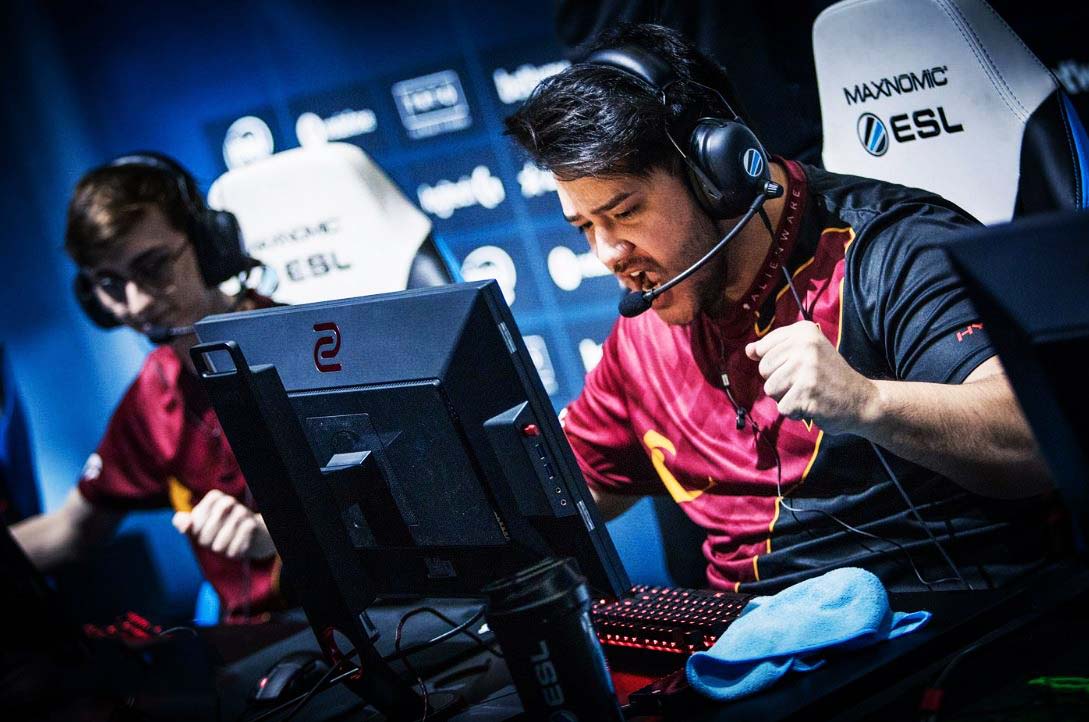
Examining the Rise of Immersive Technology and How It Could Reshape the Future of Esports Competition, Spectatorship, and Player Experience
The Dawn of a New Competitive Dimension
For decades, competitive gaming has existed within the confines of a two-dimensional screen. Players relied on precision, strategy, and reaction speed while interacting with flat interfaces and virtual environments displayed through monitors. However, the horizon of esports is shifting. Virtual Reality, or VR, is emerging as the next great frontier in competitive play. It introduces a new level of immersion that challenges both the body and the mind, blurring the line between player and game world. This evolution represents more than a technological upgrade. It marks a philosophical transformation in how competition, physicality, and digital experience intertwine.
Unlike traditional esports, VR-based competitions transform players into active participants rather than seated strategists. Movements become gameplay. Reflexes extend beyond mouse clicks and controller taps into gestures, spatial awareness, and physical coordination. Every step, swing, and turn becomes part of a larger rhythm that merges athletic skill with digital mastery. This hybridization of physical and virtual performance is redefining what it means to compete, bringing esports closer to the immersive excitement of traditional sports while preserving its digital soul.
The Birth of Virtual Esports
The earliest experiments in virtual reality esports began modestly, with small tournaments built around games like Beat Saber, Echo Arena, and Onward. These competitions showcased the potential of VR not just as entertainment but as a serious competitive medium. What began as novelty quickly gained traction among developers and organizers seeking the next evolution in player engagement. The idea of full-body immersion appealed to audiences who wanted to feel closer to the action, and to players who craved new layers of skill and challenge. As technology advanced, what once seemed futuristic began to feel inevitable.
Virtual reality adds a dimension of depth that transforms gaming into a lived experience. Unlike traditional setups that rely on static screens, VR allows players to physically inhabit the game world. Spatial audio, motion tracking, and haptic feedback create a sensory completeness that makes competition feel tangible. Esports in VR are no longer just about reflexes or strategy but also about endurance, coordination, and adaptation. These new forms of gameplay invite a diverse range of competitors, merging the physicality of sports with the creativity of digital competition.
Technology Behind the Immersion
The foundation of VR esports lies in its technology. The combination of head-mounted displays, motion sensors, and haptic controllers allows for unprecedented levels of interaction. Modern headsets such as the Meta Quest, Valve Index, and HTC Vive provide near-instant tracking with high-definition visuals that respond fluidly to movement. This technology eliminates the lag that once limited competitive viability, creating an experience where every motion translates seamlessly into in-game action.
Equally transformative is the integration of haptic feedback and spatial computing. Gloves and suits equipped with pressure sensors now allow players to feel virtual impact, weight, and texture. These advancements bridge the sensory gap between reality and simulation. Developers are also experimenting with mixed reality technology that combines VR and augmented reality, creating hybrid environments where real-world objects merge with digital landscapes. This combination could lead to new types of esports experiences where arenas themselves become part of the gameplay, offering endless creative possibilities for future competitions.
The Physical Evolution of the Esports Athlete
Virtual reality introduces a new kind of athlete into the esports world. No longer confined to chairs or desks, VR players must train both physically and mentally. Reaction time remains vital, but stamina, balance, and spatial awareness become equally important. The result is a more holistic form of gaming that requires conditioning and practice akin to traditional athletic training. Players must develop routines that strengthen their coordination, posture, and endurance to maintain competitive performance in long matches.
Professional teams are beginning to recognize the need for new training methodologies. Some VR competitors use fitness trackers and heart rate monitors to measure exertion levels during practice sessions. Others incorporate yoga, cardio, and strength exercises to improve balance and agility. This fusion of fitness and gaming breaks long-standing stereotypes about esports being sedentary. In VR, every movement counts, making health and conditioning central to victory. The evolution of esports athletes reflects a larger cultural shift, one where technology and the human body collaborate in the pursuit of performance excellence.
Challenges on the Path to Mainstream VR Esports
Despite its promise, VR esports faces several hurdles on the road to widespread adoption. Accessibility remains a primary concern. High-quality VR hardware is expensive, requiring not only a headset but also a capable computer or console setup. This creates financial barriers that limit participation compared to traditional esports. Additionally, the physical demands of VR gameplay require more space, making large-scale tournaments logistically complex to organize. Venues must accommodate safe player movement and robust technical infrastructure, which increases operational costs.
Another challenge lies in standardization. Esports thrives on consistency, with established rules and uniform equipment. VR’s rapidly evolving technology complicates this, as different headsets and tracking systems create variations in performance. Competitive fairness depends on ensuring that all players experience identical conditions. Developers, sponsors, and event organizers must collaborate to establish industry standards that maintain balance across devices. As these issues are addressed, VR esports will gain the foundation it needs to expand from niche experimentation into global prominence.
The Spectator Experience: Watching the Future Unfold
One of the most exciting aspects of VR esports is how it transforms the viewer experience. Traditional esports rely on screen-based observation, with audiences watching from fixed camera angles. In VR, spectators can step inside the game itself. Using their own headsets, fans can follow players from a first-person perspective, explore arenas in real time, or experience matches as if they were standing beside the competitors. This form of participatory viewership turns spectators into active participants, blurring the distinction between watching and playing.
Broadcasters and event producers are already experimenting with immersive spectator modes that combine VR and mixed reality. Cameras can capture players’ physical movements and blend them with digital overlays, creating hybrid visuals that show both the real and virtual performance simultaneously. This innovation could redefine esports broadcasting, offering experiences that rival live sports in excitement and accessibility. Audiences may one day attend virtual tournaments where entire arenas exist digitally, filled with avatars representing fans from around the world. The evolution of VR esports is not only about gameplay but also about the transformation of how games are experienced collectively.
Developers and Designers as Architects of New Worlds
The future of VR esports depends heavily on the vision of developers. Creating a successful competitive VR title requires more than good graphics or physics. It demands balance, accessibility, and replayability. Developers must design environments that challenge physical movement without causing fatigue or motion sickness. They must also consider fairness, ensuring that skill and strategy, not hardware advantage, determine success. Games like Echo VR and Blaston have already demonstrated that immersive competition can be both engaging and fair, paving the way for future innovation.
Level design takes on new meaning in VR. Instead of static maps, environments must consider spatial flow, perspective, and player movement from every direction. Designers are effectively crafting worlds that can be touched, explored, and inhabited. This level of immersion gives esports new storytelling potential. Players no longer inhabit avatars on a screen but become living participants in dynamic narratives. As technology advances, VR developers will continue to push the boundaries of interaction, creating experiences that transcend traditional game mechanics and redefine the art of competition itself.
Economic Potential and Industry Impact
The economic implications of VR esports extend far beyond tournaments. Hardware manufacturers, game developers, event organizers, and advertisers all stand to benefit from its expansion. The sale of VR equipment alone has already become a multibillion-dollar industry, and as competitive gaming drives demand, that number will grow exponentially. Brands are eager to invest in immersive experiences that capture audience attention in new ways. Sponsorships in VR can take creative forms, with logos appearing as interactive elements or environments within games rather than passive banners.
Education and enterprise sectors are also watching VR esports closely. The technology driving competition can be applied to training, simulation, and skill development in various fields. Universities are beginning to offer VR esports programs that combine gaming with research into neuroscience and human-computer interaction. This convergence of entertainment, science, and business underscores the transformative potential of virtual reality. As the ecosystem grows, the lines between industry, academia, and entertainment will continue to blur, creating new opportunities for innovation and collaboration.
The Psychological and Social Impact of VR Competition
Beyond its technological achievements, VR esports introduces profound psychological and social dynamics. The immersion it provides affects how players perceive themselves and others within digital spaces. Competing in VR creates a heightened sense of presence, where the mind reacts to virtual stimuli as if they were real. This can amplify both excitement and pressure, making mental resilience more important than ever. Players must learn to regulate their emotions, maintain spatial awareness, and balance intensity with composure. Coaches and psychologists are beginning to explore how VR affects cognition and stress, shaping new models of performance training for this unique medium.
Socially, VR esports has the potential to become one of the most inclusive forms of competition ever created. Virtual spaces eliminate many physical barriers, allowing players of different abilities, backgrounds, and geographies to compete on equal ground. The anonymity of avatars can promote confidence and expression while reducing bias. However, it also presents challenges, including the need for stronger community moderation and digital ethics. As virtual reality grows, the social fabric of gaming communities will evolve, fostering connections that bridge the gap between physical and virtual identity.
The Future Reality of Esports
The fusion of virtual reality and competitive gaming is not a distant fantasy. It is an unfolding reality that promises to redefine the way the world plays, watches, and experiences digital competition. The journey ahead will be marked by innovation, adaptation, and imagination. As hardware becomes more accessible and software more sophisticated, VR esports will transition from niche to mainstream. The next generation of players will grow up not behind screens but inside worlds where imagination and reality coexist.
In that world, the boundaries between player and spectator, athlete and avatar, human and technology will continue to dissolve. The future of esports will not simply be observed, it will be lived. Virtual reality will transform competition into an experience of full sensory engagement, where every motion, thought, and heartbeat becomes part of the game itself. The revolution is not about escaping reality, but about expanding it, creating a new arena where humanity’s love for play meets the limitless potential of technology. The future of esports is already being written, and its next chapter will be played in virtual space.